
UXBRIDGE / SILVERFISH CONTROL
Silverfish Control Uxbridge
A silverfish sighting is a reason to check the insect and its surroundings. Discuss identification, affected storage and moisture concerns without assuming that one insect proves a hidden leak.
- Identify wingless insects and their tail filaments
- Inspect bathroom edges and pipe access panels
- Assess paper storage and concealed food residues
- Separate a moisture concern from a confirmed defect
- Review activity alongside repairs and room conditions

URGENT ENQUIRY
Silverfish appearing in several rooms?
Describe the locations, damp concerns and any damage to stored materials. Discuss identification, access and the next suitable inspection appointment.
01 / MOISTURE CONTEXT
Assess the environment without diagnosing a leak from a sighting.
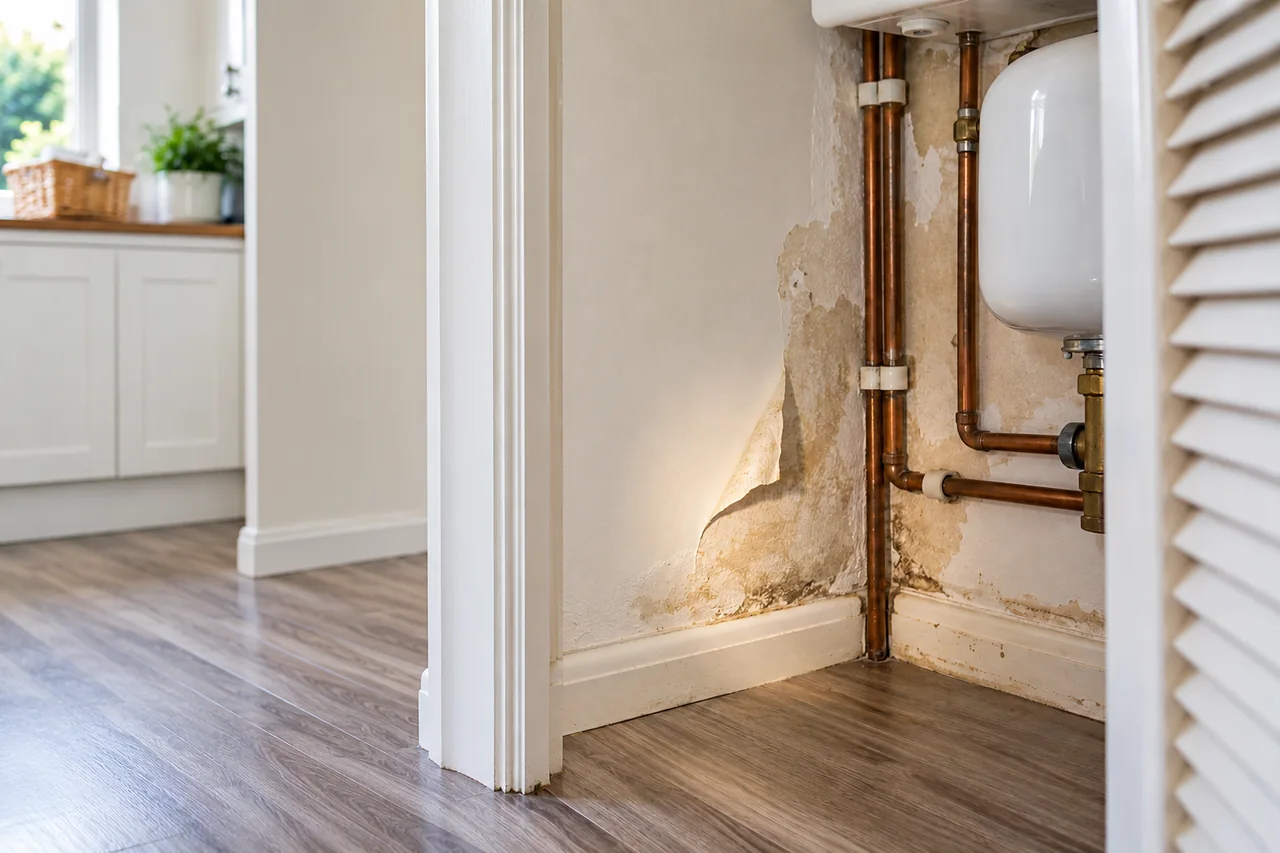
Explain where silverfish-like insects appear, how often they are seen and whether the room has condensation, a musty cupboard or a known plumbing problem. Damp-prone spaces can be relevant, but the insect does not by itself establish a leak or structural defect. The first conversation should separate what you have observed from what you suspect. An inspection can then consider the relevant access and whether another trade needs to investigate a building concern.
Tell the specialist about recent repairs, a room that is rarely used or stored cardboard and paper near the activity. These details help define the inspection rather than justify a blanket application throughout the property. If no damp is apparent, say so; identification and site assessment still matter. Avoid removing a bath panel, opening a ceiling or disconnecting pipework simply to search for a cause before the appointment has established which areas need attention.
02 / SILVERFISH IDENTIFICATION
Confirm the insect before selecting a response.
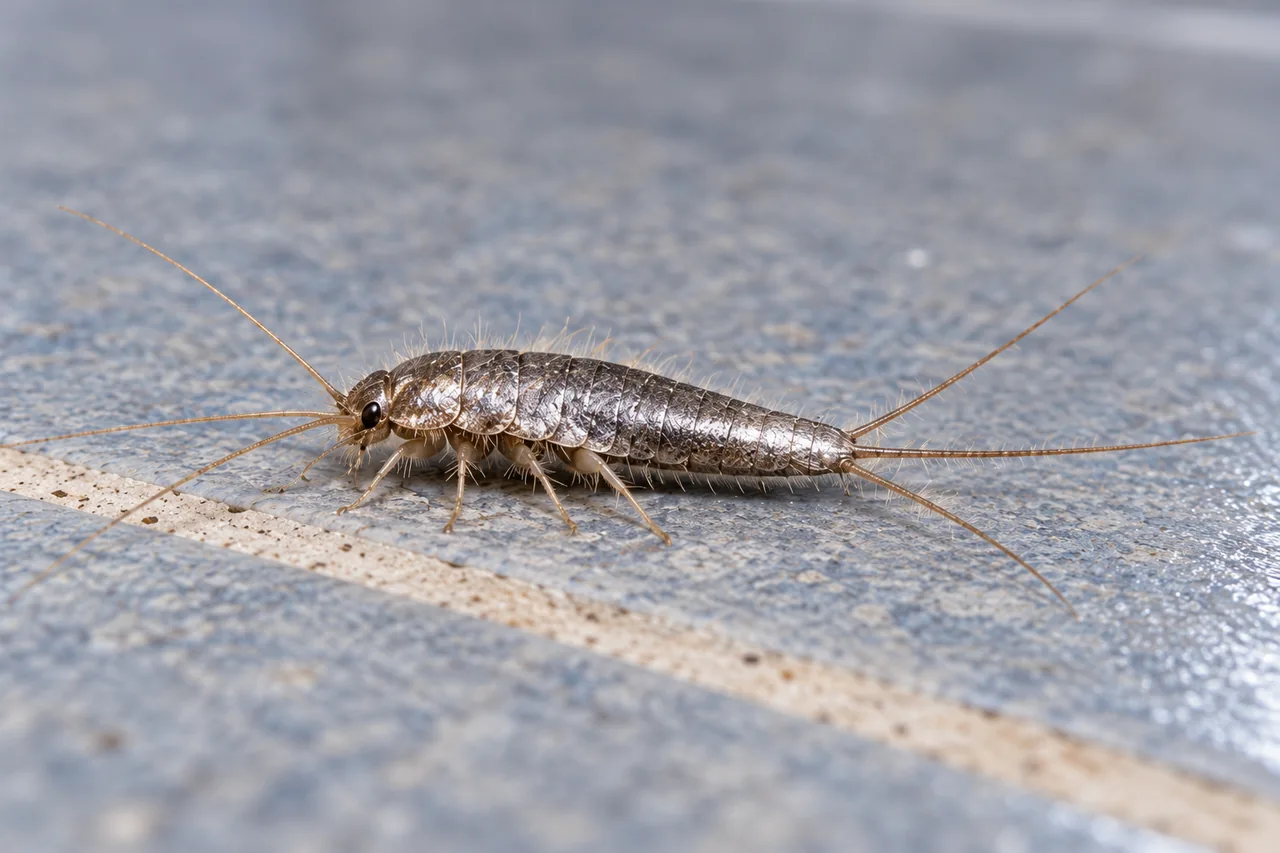
Silverfish are wingless insects with a tapered appearance and characteristic filaments at the tail. A specialist may compare a suitable photograph or accessible insect with the room evidence before deciding on treatment. Their rapid movement can make a fleeting sighting difficult to interpret. Describe the colour, size and location without assuming that every insect found in a bathroom belongs to the same group or requires an identical response.
If the observed insect is larger, differently shaped or linked to kitchen harbourage, explain that during the enquiry. Cockroach inspection has different identification and treatment considerations. Ask which findings support the proposed diagnosis and whether more evidence is needed. A small mark on paper or a single insect in a bath is not enough to establish the extent of activity throughout the building, so the next step should follow a suitable assessment.
| Observation | Assessment question | Avoid assuming |
|---|---|---|
| Insect in a bath | Is identification clear? | Every bathroom insect is a silverfish |
| Activity by pipework | Which gaps and conditions are relevant? | A hidden leak is confirmed |
| Damage near stored paper | What material and insect are involved? | All stored items need treatment |
| Several affected rooms | Is there a connected pattern? | One visible location explains the whole property |
03 / ROOM INSPECTION
Check edges, access panels and the affected storage.
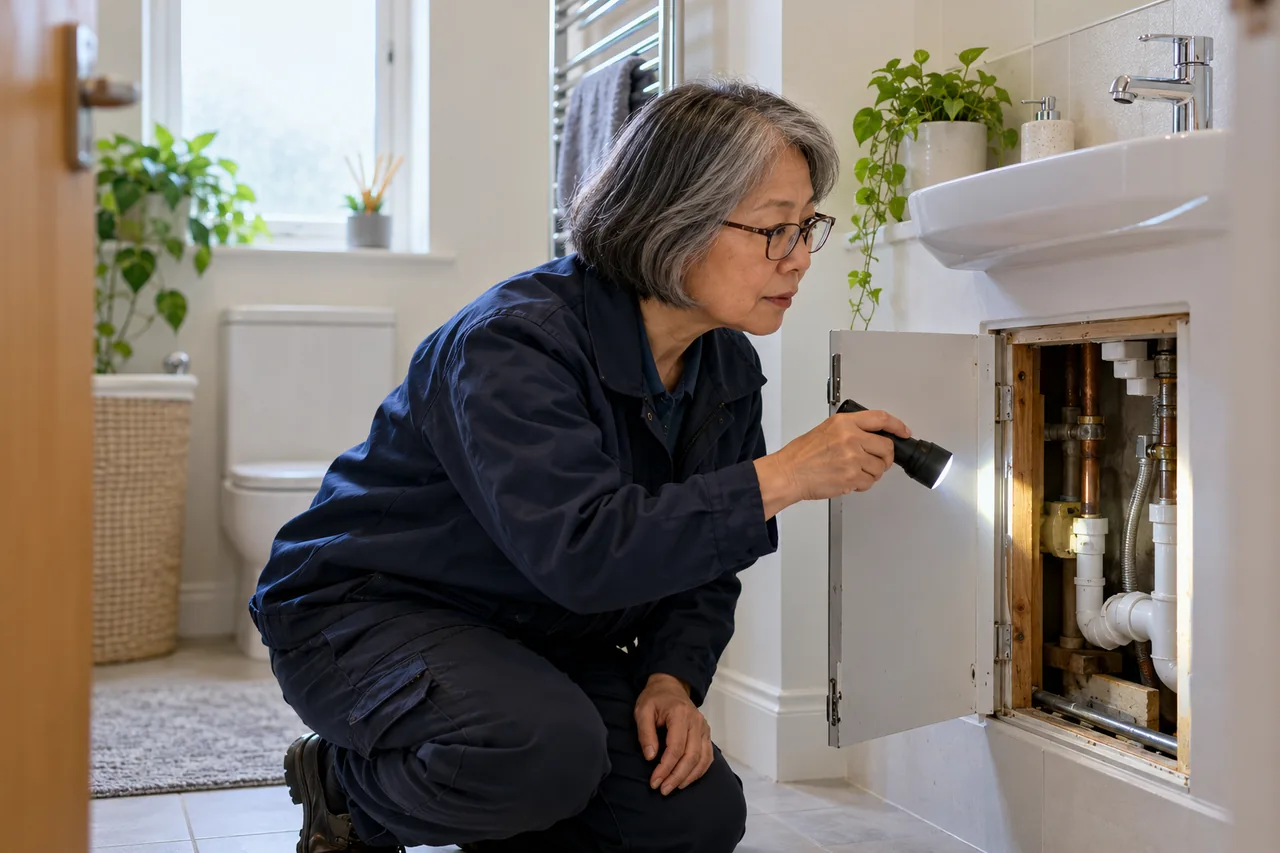
An accessible inspection may consider bathroom or kitchen margins, service penetrations and the storage where insects have been noticed. The specialist can examine relevant gaps without assuming the appointment includes removing fixed fittings. Explain loose panels, fragile finishes and any area controlled by a landlord or managing agent. Safe access should be agreed in advance, especially where reaching a suspected location would require lifting fixtures or working beside concealed services.
Stored paper, packaging or material with starchy residues may also be worth examining where it relates to the signs. That does not mean every book or document should be emptied into another room. Ask which areas were inspected, what evidence was found and what could not be checked. A clear record makes it easier to distinguish an identified pest-management issue from a suspected building defect that still requires investigation by an appropriately qualified contractor.
04 / ENVIRONMENT REVIEW
Discuss conditions as part of the control plan.
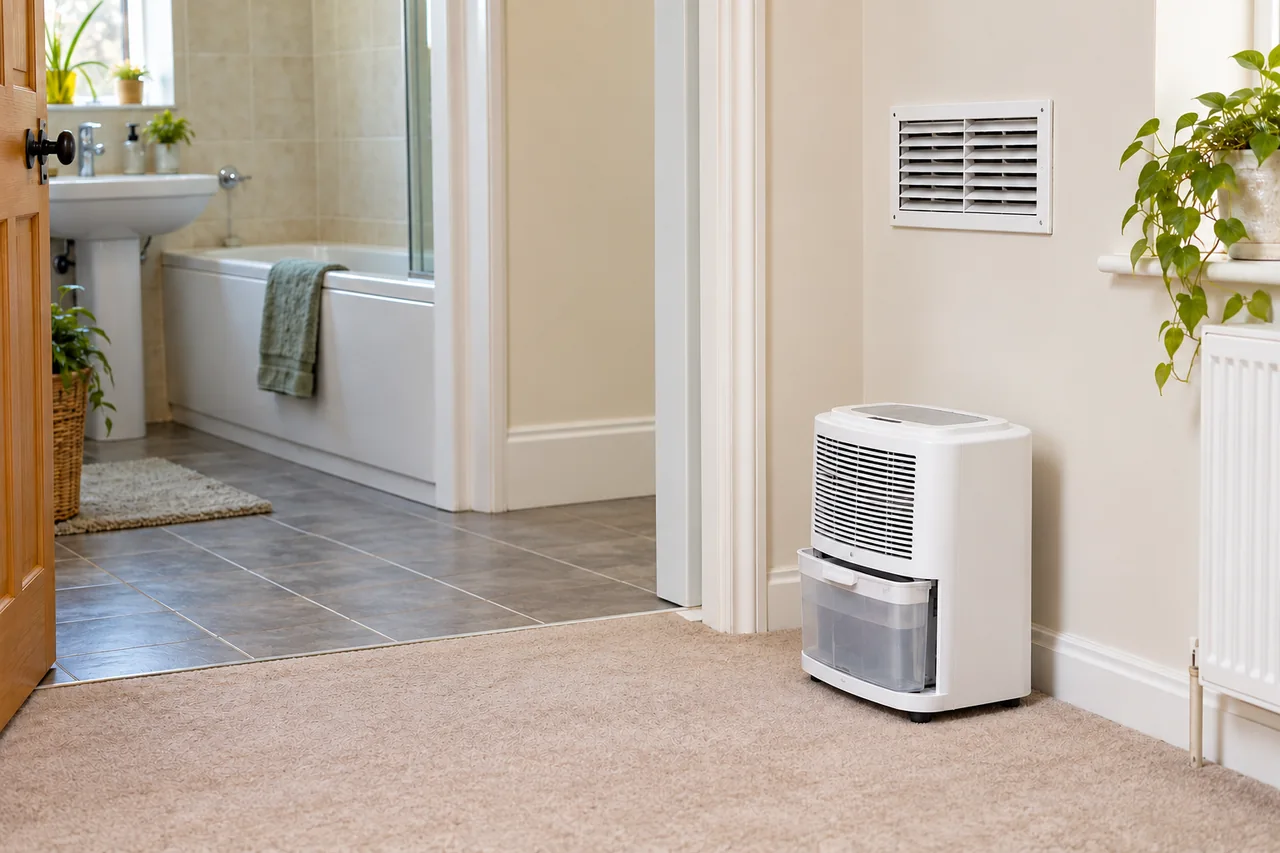
Where moisture is relevant, the discussion may involve ventilation, an existing leak or a storage arrangement that keeps a concealed area persistently humid. Any measurement or building assessment needs interpretation; a device reading is not a complete diagnosis of the structure. Ask what the finding means, what remains uncertain and which changes are practical. Equipment shown on the page illustrates possible environmental assessment or management, not a confirmed service included in every appointment.
A dehumidifier or a change in room use should not be presented as a universal replacement for investigating an unresolved defect. Equally, pest treatment alone may not address the condition supporting continued activity. If another trade is needed, clarify the relevant location and access rather than request a general repair without evidence. The pest plan should explain which observations will be reviewed after conditions change and how the effect on activity will be assessed.
05 / TARGETED TREATMENT
Choose a method for the identified locations.
Professional silverfish management may consider targeted treatment alongside suitable environmental changes, depending on identification, access and the distribution of signs. The actual method must be confirmed for your property. Ask where work is proposed, which surfaces are excluded and what preparation applies. There is no confirmed universal spray or powder treatment on this page, and an accessible bathroom gap is not equivalent to an uninspected wall void.
If a product is proposed, follow its directions for application, contact, cleaning and access. Tell the specialist about children, pets and sensitive uses of the affected storage before a method is agreed. Avoid adding household products in the same areas while the plan is being assessed. A targeted proposal should also explain how fresh signs will be recorded and what would justify another visit, rather than promise that one treatment corrects every room condition behind the problem.
| Plan element | Specific discussion |
|---|---|
| Identified insect | Evidence and any uncertainty |
| Affected locations | Accessible edges and concealed limits |
| Environmental work | Which conditions or repairs need attention |
| Treatment | Method, surfaces and precautions |
| Review | Activity after the agreed changes |
06 / PREPARE THE SPACE
Provide access without exposing services or mixing storage.
Ask which cupboards or room edges need to be reachable and how nearby belongings should be protected. Clear a safe route, but do not dismantle plumbing or fitted panels without agreement. Keep track of where paper or stored items came from if the preparation involves moving them. Valuable documents and delicate finishes need particular discussion before any cleaning or treatment plan is chosen; the inspection should not create damage while attempting to address an insect concern.
During the visit, point out fresh signs and changes in room conditions since the enquiry. Explain existing products and any building work that has opened previously concealed areas. Confirm the proposed work and price before treatment begins. Follow the instructions for keeping the affected space clear and make sure other occupants or cleaners receive them too. Re-entry and cleaning directions must relate to the actual method, not a fixed time copied from another type of pest treatment.
07 / FOLLOW THE PATTERN
Review insects and room conditions together.
After the visit, record new sightings by room, location and timing. Include any repair, drying or ventilation change that may be relevant. This gives a review more context than a simple report that one insect was seen again. Ask whether the proposed follow-up considers monitoring, continued access from a concealed area or the effect of environmental changes. Different questions may require different actions, and additional work should be discussed before it is undertaken.
Follow cleaning restrictions around any treatment points and do not add another product while awaiting advice. If activity appears in a new storage area, describe what was moved and when. A quiet period in the bathroom does not by itself establish the status of a separate cupboard elsewhere. Keep the inspection notes with the record of repairs so later observations can be compared against what was actually checked and changed, rather than a general assumption that the whole property was treated.
08 / STORAGE AND PREVENTION
Make prevention match the findings.
Once the relevant restrictions are lifted, review storage and the accessible conditions identified during inspection. Keep vulnerable paper or packaging away from persistent damp where practical, and address confirmed repair needs through the appropriate trade. Ask which changes are most important for the locations actually affected. It is more useful to resolve an identified condition than to repeatedly treat unrelated rooms because they happen to contain a sink or bath.
The overview of inspection and aftercare sets out the overall assessment and aftercare process. For shared or rented premises, provide the responsible person with the location of the issue, access limits and proposed next steps. Keep future checks specific to those areas and report renewed activity with its timing. Prevention should help you notice changes and maintain suitable conditions; it cannot be presented as a guarantee that an insect will never enter again.
09 / SILVERFISH QUOTATION
Price the pest work separately from unconfirmed repairs.
Silverfish-control pricing may depend on the affected rooms, concealed access, stored materials, method and planned review. Investigation of a leak or work on building fabric may be outside the pest appointment. Ask what is included, what cannot be assessed and how additional work would be authorised. No fixed silverfish tariff is confirmed here. A suitable quotation should distinguish the proposed pest response from a building defect that has not yet been established.
If several rooms or important stored materials are affected, explain that when checking appointment availability. An urgent enquiry does not confirm an immediate arrival or justify opening an unsafe area yourself. Use Contact Us to describe the insect, locations and access, then agree the next assessment and a complete price for the work actually proposed.
QUESTIONS ABOUT SILVERFISH CONTROL
Before arranging the visit.
Does a silverfish sighting prove that a pipe is leaking?
No. Damp-related conditions may be relevant, but a sighting is not a diagnosis of the building. Explain known condensation or plumbing concerns and ask what evidence supports any proposal for further investigation.
Why might paper storage be included in the inspection?
The assessment may consider materials and residues related to activity where they occur. Report damage and its location, but do not assume every book or document needs treatment. Handling should suit the affected material and the findings.
Should I remove the bath panel before the appointment?
Discuss access first. Fixed panels, concealed services or fragile finishes may need separate arrangements. Do not dismantle plumbing or expose an unsafe area simply to prepare for a pest inspection.
Will a dehumidifier alone remove every silverfish problem?
There is no universal equipment solution. Identification, activity locations and supporting conditions need assessment. Environmental management may help, but it should not replace investigating a relevant defect or agreeing a suitable pest response.
Must every bathroom in the property be treated?
Not automatically. Report all locations, but the proposal should explain which areas need inspection or treatment and why. Shared plumbing or similar room use does not establish the same level of activity in every room.
What information is useful at a silverfish review?
Record fresh sightings, their locations and timing, plus repairs or changes to room conditions. Follow aftercare instructions and report any products added or storage moved, so the specialist can interpret the pattern accurately.
DISCUSS SILVERFISH CONTROL