
UXBRIDGE / CARPET BEETLE TREATMENT
Carpet Beetle Treatment Uxbridge
Trace the feeding source as well as the visible carpet damage. Discuss inspection of larvae, cast skins, natural fibres and overlooked material before deciding what needs treatment.
- Identify bristly larvae and distinguish cast skins
- Inspect natural-fibre rugs and stored woollens
- Check concealed fluff and relevant source materials
- Agree careful access beneath affected furnishings
- Compare fresh feeding signs with the earlier record
URGENT ENQUIRY
Fresh carpet or fabric damage?
Tell us about larvae, cast skins and affected natural fibres. Discuss a focused inspection before treating surfaces or moving stored textiles.
01 / SOURCE MATERIALS
The source may sit beyond the damaged carpet edge.
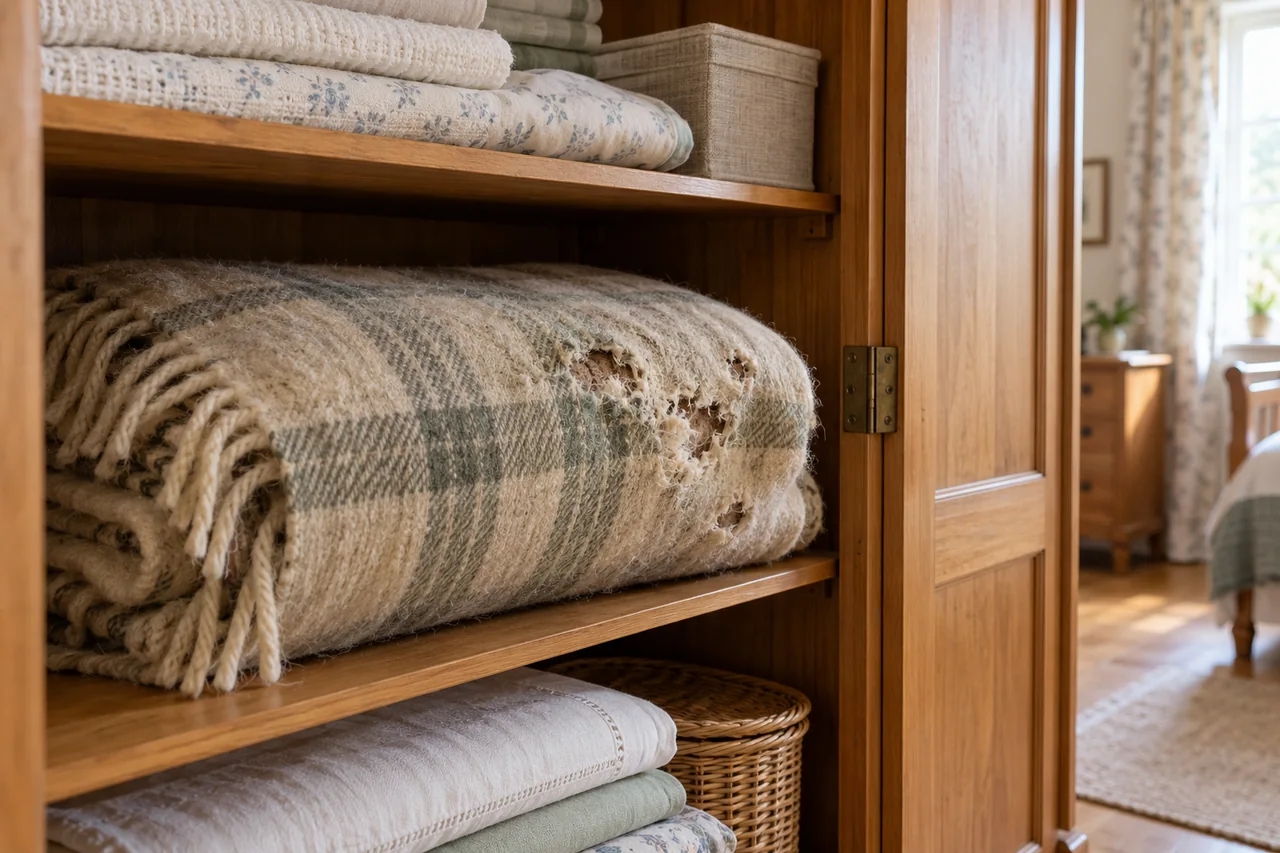
Describe the damaged materials when you call, including wool carpets, rugs, blankets or other natural-fibre belongings. Explain where they were stored and whether damage is developing or was discovered after a long period without inspection. Carpet beetle concerns should not be assessed from a hole alone. The specialist needs to connect the fabric, insect evidence and possible feeding source rather than assume that every carpeted room needs the same treatment.
Accumulated fluff, hair or another suitable organic source can be relevant to the inspection, sometimes away from the first damaged item. Tell the specialist about inaccessible storage, loft materials or a cupboard that has not been opened recently. Do not disturb possible nesting material or concealed areas to prepare for the visit. Ask what can safely be checked and what may need a different access arrangement, so the search for a source does not create another problem.
02 / LARVAE AND SKINS
Distinguish a feeding larva from a trace left behind.
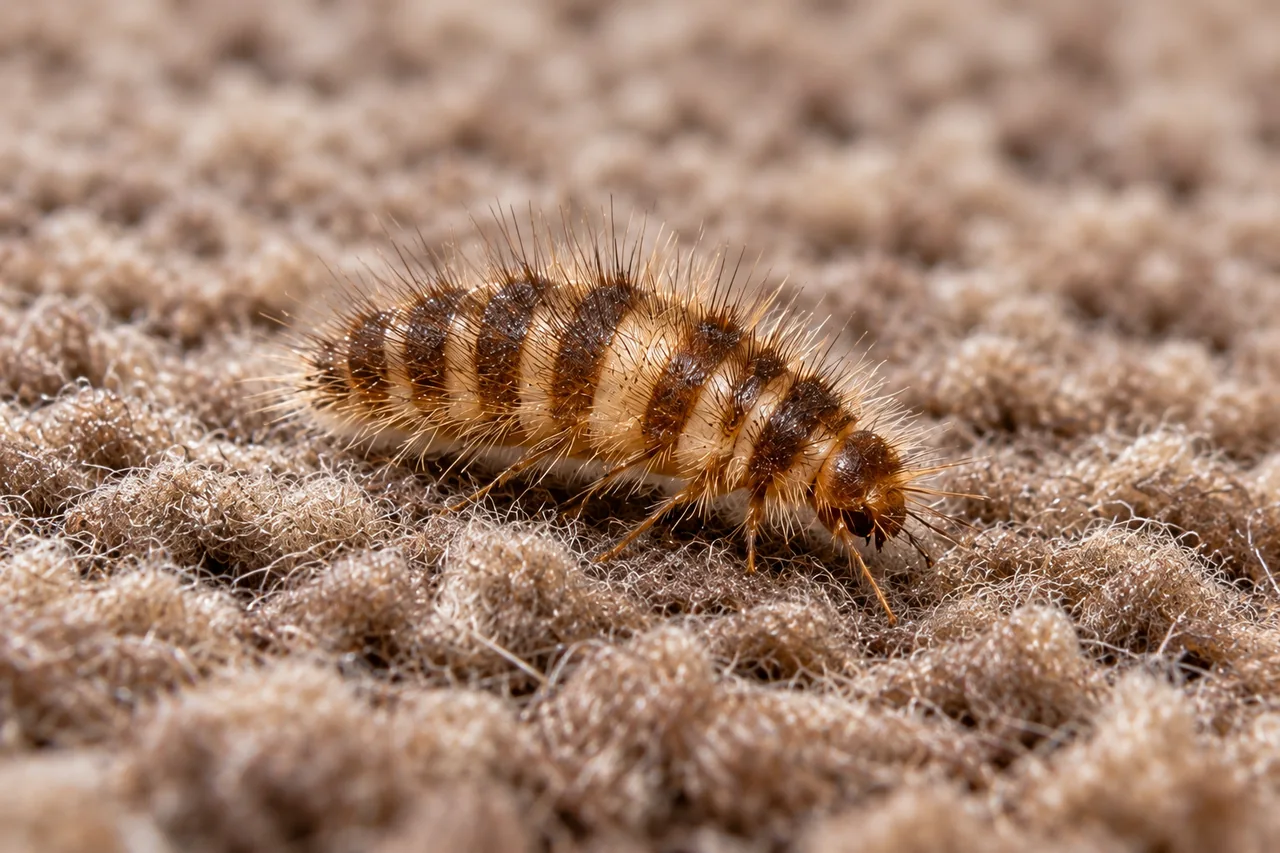
Carpet beetle larvae are associated with damage to vulnerable materials, while adult beetles have a different feeding pattern. Small bristly larvae and their cast skins can be useful evidence, but a skin left behind does not establish current activity on its own. An adult found beside a window is also not enough to identify the location of larval feeding. The assessment should consider what was found, where it was found and the condition of nearby materials.
Ask how the evidence is distinguished from clothes moth activity, which can also affect textiles. A photograph or suitable examination may help, while a description of fabric damage alone remains uncertain. Avoid applying a product to a valuable item simply because an insect was nearby. The identification should give the treatment proposal a specific target and explain whether more searching is needed before the affected area can be defined.
| Finding | Question for inspection | Planning value |
|---|---|---|
| Bristly larva | Where is it feeding? | Targets the source search |
| Cast skin | Is there fresh supporting evidence? | Distinguishes traces from current activity |
| Adult at a window | Where are larvae or affected materials? | Avoids assuming the feeding location |
| Damaged wool | Which insect is established? | Separates beetle and moth considerations |
03 / ENQUIRY HISTORY
Give the item history before moving the storage.
When arranging an inspection, explain which items have been moved, cleaned or taken out of storage since the concern began. A blanket now in the lounge may have spent months in a linen cupboard, and that earlier location can matter. Mention any treatment already attempted and where it was applied. A room-by-room history helps the specialist decide which accessible areas may connect, without promising that the source can be identified from a telephone account.
Tell the person booking access about fragile rugs, fixed furniture and items belonging to a landlord or another occupant. Keep photographs of the original positions where possible, rather than emptying several cupboards together and losing track of their contents. If there are jumping insects or a concern about pet resting areas, describe that separately; flea assessment follows different evidence and should not be assumed to be part of a textile-damage diagnosis.
04 / CARPET INSPECTION
Inspect the protected edges and the accessible underside.
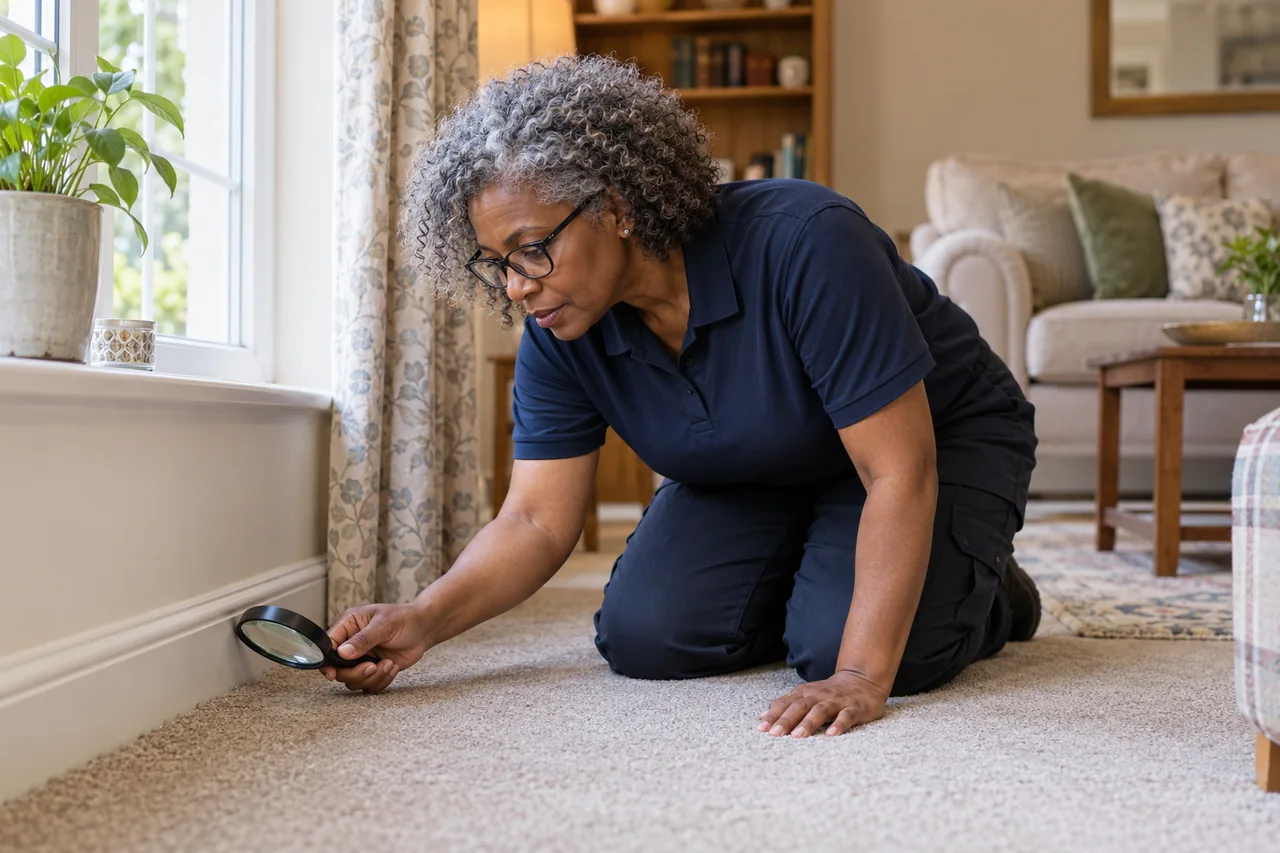
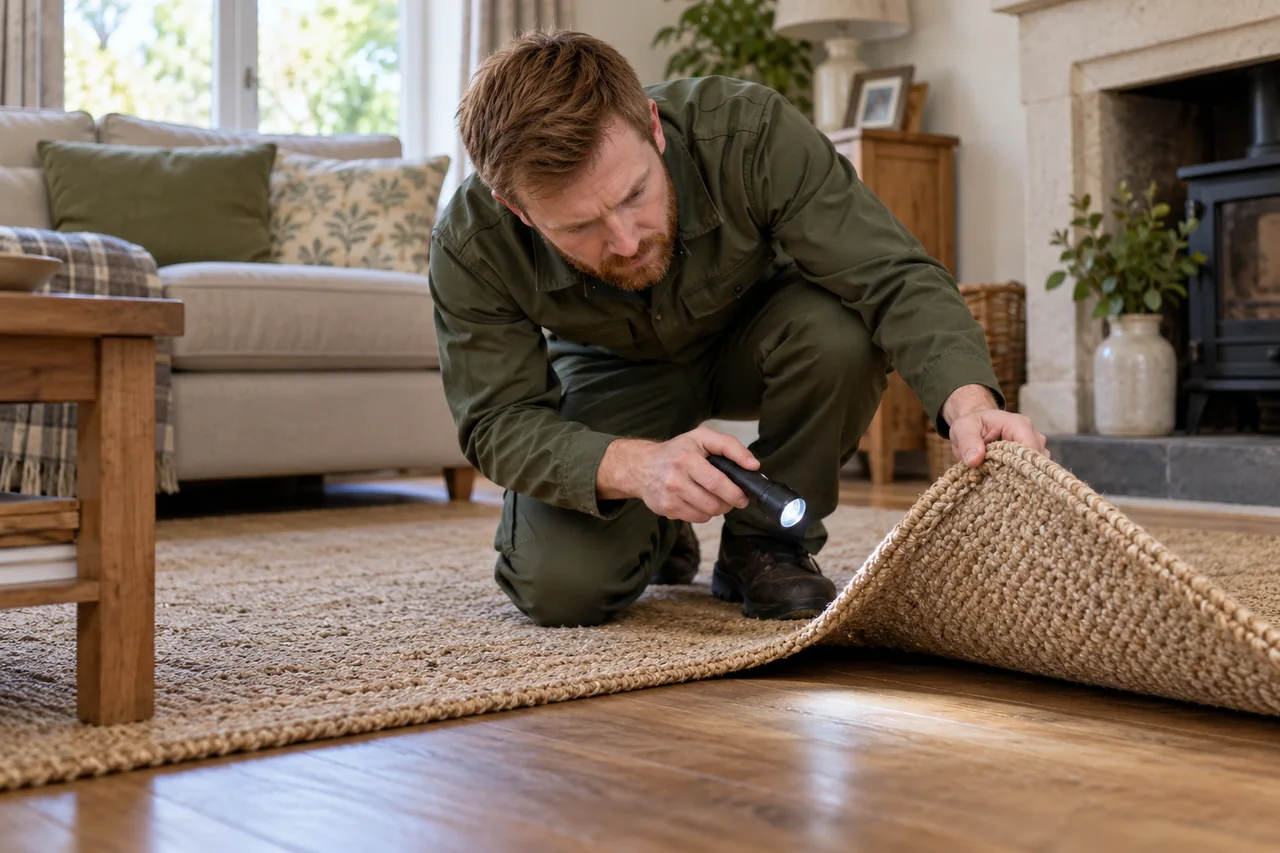
The inspection may consider accessible carpet margins, rug undersides, stored fabrics and quiet spaces where material accumulates. A torch or magnifier can help examine small evidence. Access should be planned around the condition of the furnishing and safe handling. Ask what can be checked without lifting fitted carpets or dismantling heavy furniture, and what remains concealed. An inaccessible edge should be recorded as a limit, rather than counted as an area that has been fully inspected.
The specialist may compare findings across a wardrobe, carpeted room and nearby storage if the evidence justifies it. That does not mean every textile must be treated. A suitable assessment identifies the relevant material and any source that needs attention, then explains what the proposed work can reach. If another contractor or specialist cleaner is needed, clarify the item, location and intended purpose so the pest appointment is not confused with repairs or textile restoration.
05 / CAREFUL PREPARATION
Make access possible without damaging the possession.
Ask which areas need clearing and how affected belongings should be handled. Preparation may involve contained movement and suitable cleaning of particular materials, but it must respect the fabric and its condition. A universal hot wash or direct product application is not suitable for every rug, garment or stored blanket. Explain delicate finishes, older textiles and anything requiring professional-cleaning advice before deciding how it should be prepared for treatment.
Keep cleaned and unprepared items distinguishable if that is part of the agreed plan. Do not move everything into an unaffected storage space or repeatedly brush damaged fibres just to remove visible signs. Safe access matters too: lifting fitted flooring or heavy furniture should not be attempted merely because an insect was found beneath it. Where the requested preparation cannot be completed, tell the provider before the visit so the proposed work can be adjusted realistically.
| Material or access | Preparation decision |
|---|---|
| Stored woollens | Contained handling and suitable cleaning |
| Rug edges | Safe movement and protection of the item |
| Fitted carpet | What can be accessed without lifting |
| Delicate fabrics | Whether a textile specialist is needed |
06 / SOURCE LED TREATMENT
Select treatment around the source and affected material.
Professional management may consider removing suitable feeding material, appropriate cleaning and targeted treatment where the findings justify it. The actual method needs confirmation for your property and possessions. Ask what is treated, what needs separate handling and which materials are excluded. A treatment suitable for a floor gap is not automatically suitable for a wool garment. An unexplained application to every surface does not substitute for assessing the source and accessible harbourage.
During the appointment, show the specialist new evidence and explain preparation completed since the enquiry. Confirm the work and price before authorising treatment. Follow directions for keeping people and pets out of work areas and returning belongings afterwards. If a product is used, cleaning and contact restrictions depend on that specific method. Keep notes identifying the relevant storage or floor locations so other occupants and cleaners know what must remain undisturbed and what can return to normal use.
07 / FOLLOW UP EVIDENCE
Fresh damage and old skins need different interpretation.
After the visit, keep a record of new larvae, cast skins or apparently fresh damage, including the item and location. Old evidence can remain after a source has been addressed, so a photograph and item history can help a review. Do not add another product or move treatment points without advice. The purpose is to compare fresh observations with the findings and work recorded earlier, not to ask you to diagnose every fibre change yourself.
A follow-up may consider an inaccessible source, the success of preparation or whether activity continues around the same material. Confirm why another visit is proposed, when it would be useful and whether it is included. If affected textiles were moved into new storage, explain the sequence. A review should be able to distinguish continued feeding at the original location from damage discovered later on an item that had already been moved before the first appointment.
08 / MATERIAL PREVENTION
Keep the source record useful for future checks.
Once the relevant restrictions are lifted, follow the agreed cleaning and storage advice for the materials implicated in the inspection. Review overlooked fluff, natural-fibre storage and accessible quiet edges where practical. Ask which changes are priorities and which areas cannot safely be maintained without another form of access. Prevention should follow the source assessment rather than become an instruction to dismantle every cupboard or disturb possible wildlife material in the building.
The Uxbridge pest control overview explains how inspection findings support later decisions. Keep photographs and notes of affected items, cleaning and source work together, particularly in a furnished rental. If another adult beetle appears later, report its location and any associated larvae or damage rather than assume that it proves the same feeding source remains active. Specific observations allow a more useful assessment than an unexplained request to repeat the earlier treatment.
09 / CARPET BEETLE QUOTE
Separate pest work from textile cleaning and repair.
A carpet beetle quotation may depend on the affected materials, extent of evidence, source access, proposed treatment and review. Specialist cleaning, lifting fitted flooring or repairing damaged items may be separate. Ask which belongings and locations are included, what preparation is required and how additional work would be agreed. No fixed carpet beetle tariff is confirmed here; the cost should follow an assessment rather than a comparison price for an unrelated room.
If fresh textile damage is spreading, describe the materials and access when checking appointment availability. Avoid moving affected possessions through other storage areas while waiting for instructions. Use Contact Us to discuss the evidence, item history and next suitable visit, then confirm the method, full quotation and any follow-up before work begins.
QUESTIONS ABOUT CARPET BEETLE TREATMENT
Before arranging the visit.
Does an adult carpet beetle at a window identify the feeding source?
No. An adult sighting is relevant, but larval evidence and affected materials still need assessment. The inspection should look for the source rather than assume the window or curtain is where damaging larvae are feeding.
Are bristly cast skins proof of continuing activity?
Not on their own. Old skins may remain after earlier activity. Record their location and any fresh larvae or damage so the specialist can compare them with the inspection and treatment history.
Can carpet beetles and clothes moths cause similar concerns?
Both can be associated with vulnerable textiles, but identification and source evidence differ. Ask which findings establish the pest before treating a garment or carpet merely on the basis of holes.
Should every wool item be removed before inspection?
Wait for handling instructions. Moving storage can mix affected and unaffected items and obscure where evidence originated. Explain delicate possessions and cleaning already completed so preparation suits the material and the findings.
Is lifting the fitted carpet always necessary?
No universal access requirement is confirmed. Accessible margins may provide useful evidence, while lifting fitted materials or moving furniture needs planning. Ask what the proposed appointment can inspect safely and what would be separate work.
Will the pest visit restore damaged fabrics?
Pest management and textile repair are different tasks. Ask what treatment or cleaning is included and whether a specialist cleaner or restorer is needed for the possession. Do not assume existing damage can be reversed by addressing the insect source.
DISCUSS CARPET BEETLE TREATMENT