Mice Control
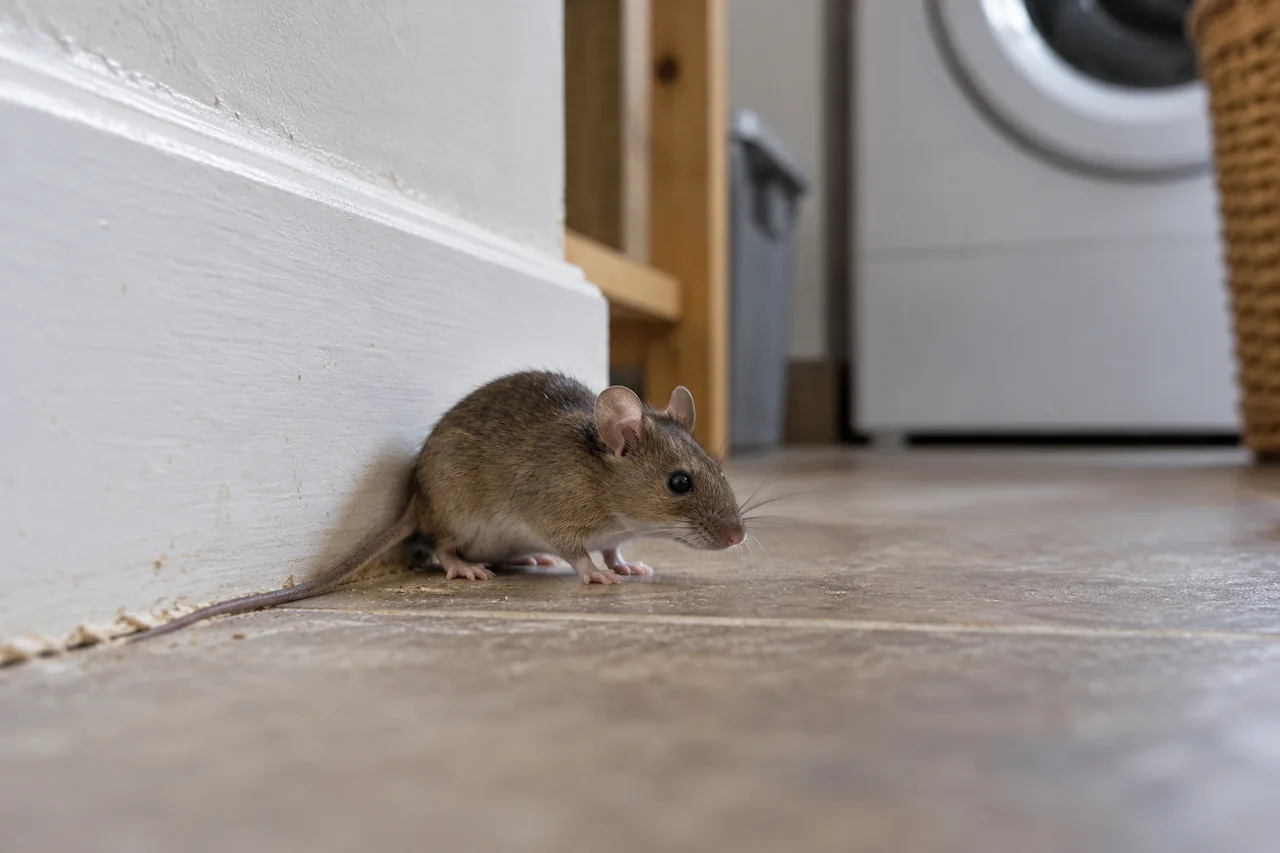
Scratching, droppings and damaged food packaging can point to mice. Check accessible kitchen voids, storage and pipe routes before planning monitoring, treatment and suitable proofing.

EXPERT PEST CONTROL · UXBRIDGE
Understand the problem. Take the right next step.
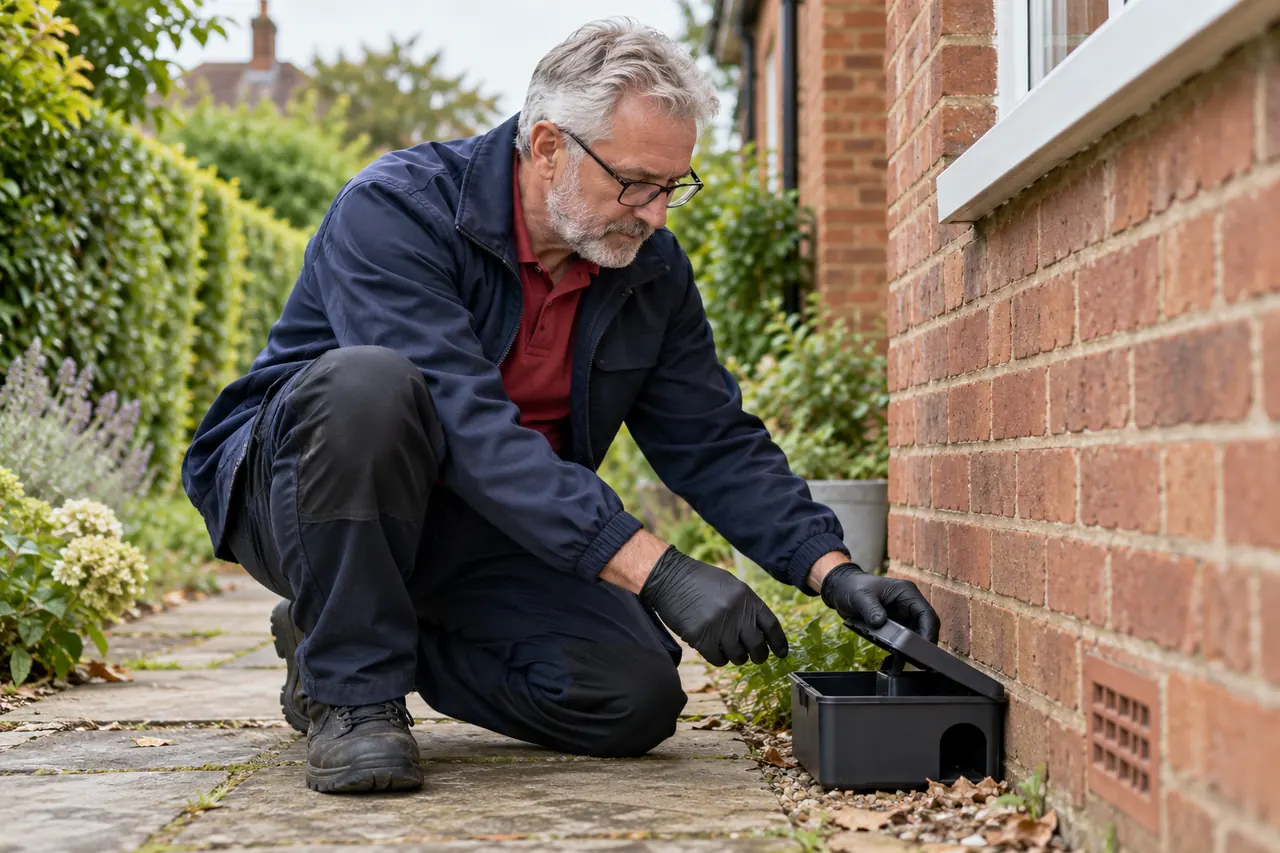
Pests leave clues. A careful inspection connects those clues with your property, so the next step addresses the problem you actually have.
A CLEARER WAY FORWARD
01 / READING THE SIGNS
Droppings behind a cupboard, scratching above a ceiling or insects near a bed can each suggest a different problem. The signs need interpretation before treatment. Old traces may remain after activity has stopped, and similar-looking insects can require different responses.
| Sign | Inspection focus | Before the visit |
|---|---|---|
| Droppings or gnawing | Activity and access routes | Photograph; avoid handling |
| Noises near a roof | Species and entry points | Do not seal active gaps |
| Insects near a bed | Seams and nearby furniture | Avoid moving bedding |
| Textile damage | Larvae and vulnerable fibres | Keep affected items separate |
02 / PEST CONTROL SERVICES IN UXBRIDGE
Explore the problem you have noticed. These pest control services in Uxbridge begin with identification and an assessment of the affected space.
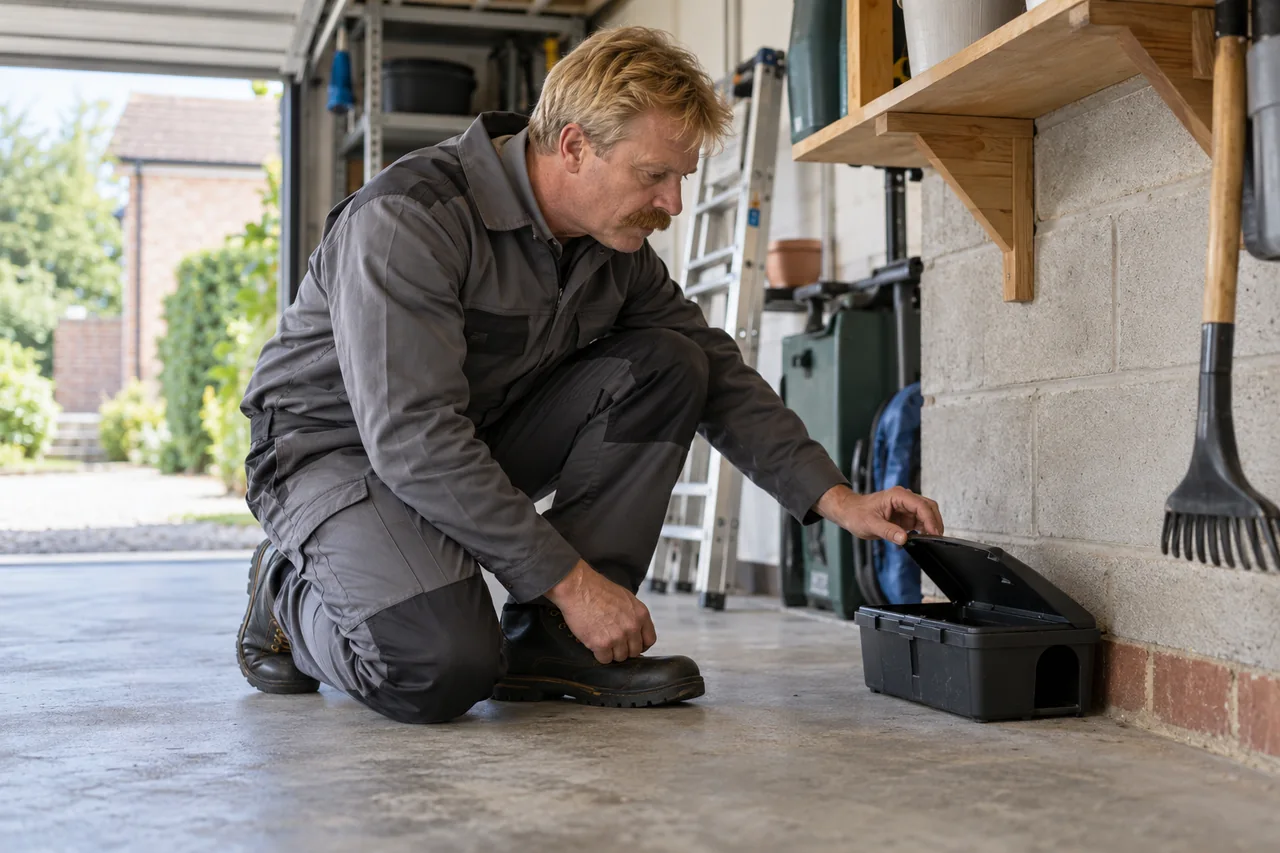
Scratching, droppings and damaged food packaging can point to mice. Check accessible kitchen voids, storage and pipe routes before planning monitoring, treatment and suitable proofing.
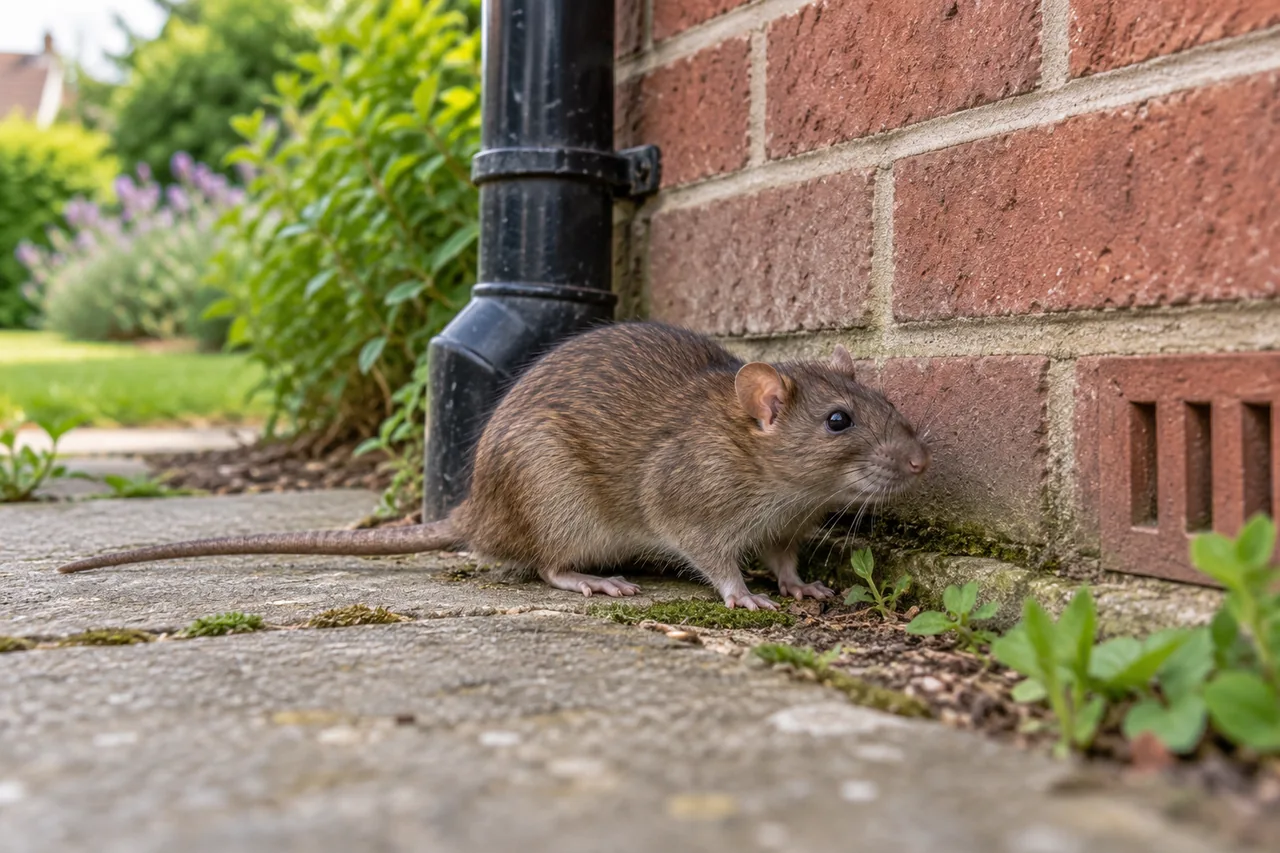
Look at external access, waste storage and evidence around drains. Inspection should consider how rats reach the building and whether a drainage or structural investigation is needed.
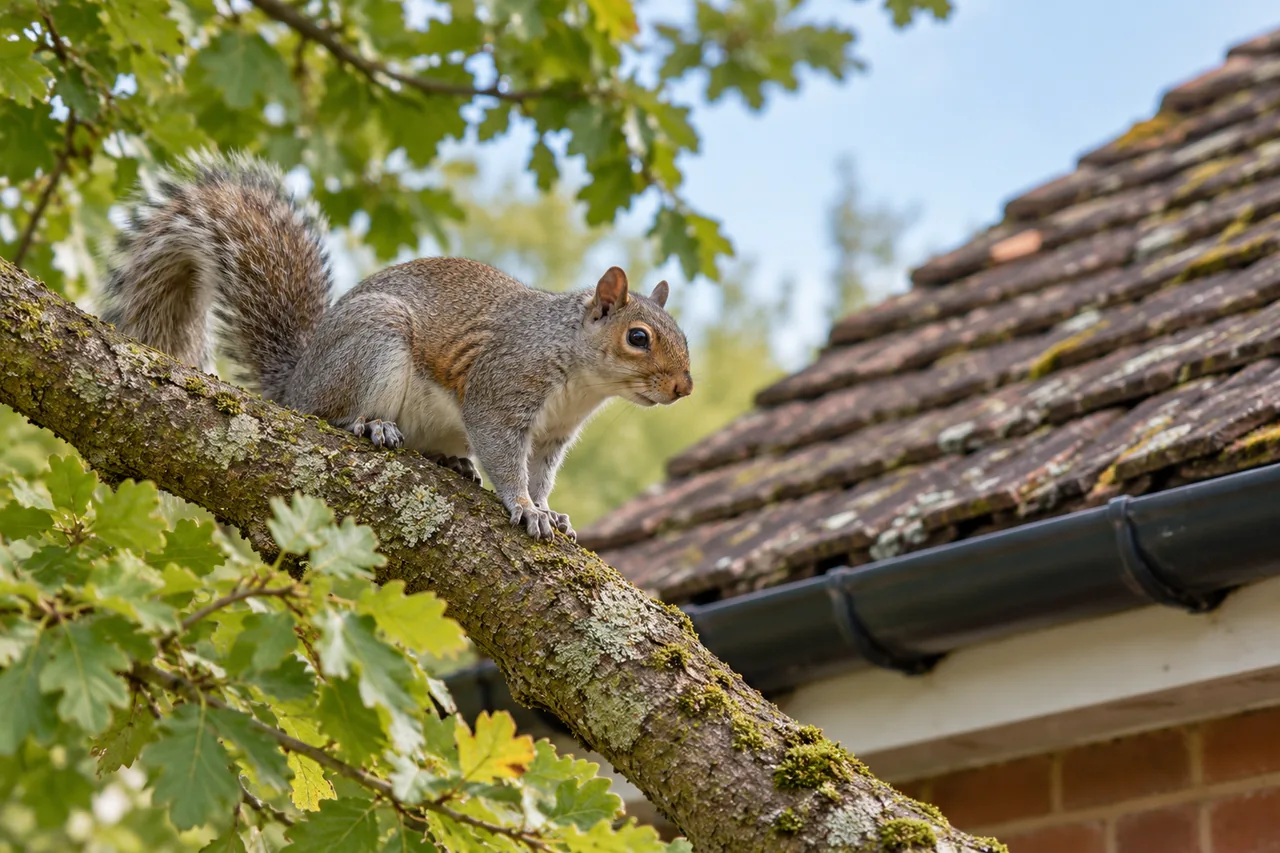
Noises near a roofline need careful identification. Discuss safe access, the location of entry points and the timing of any exclusion work before sealing a gap.
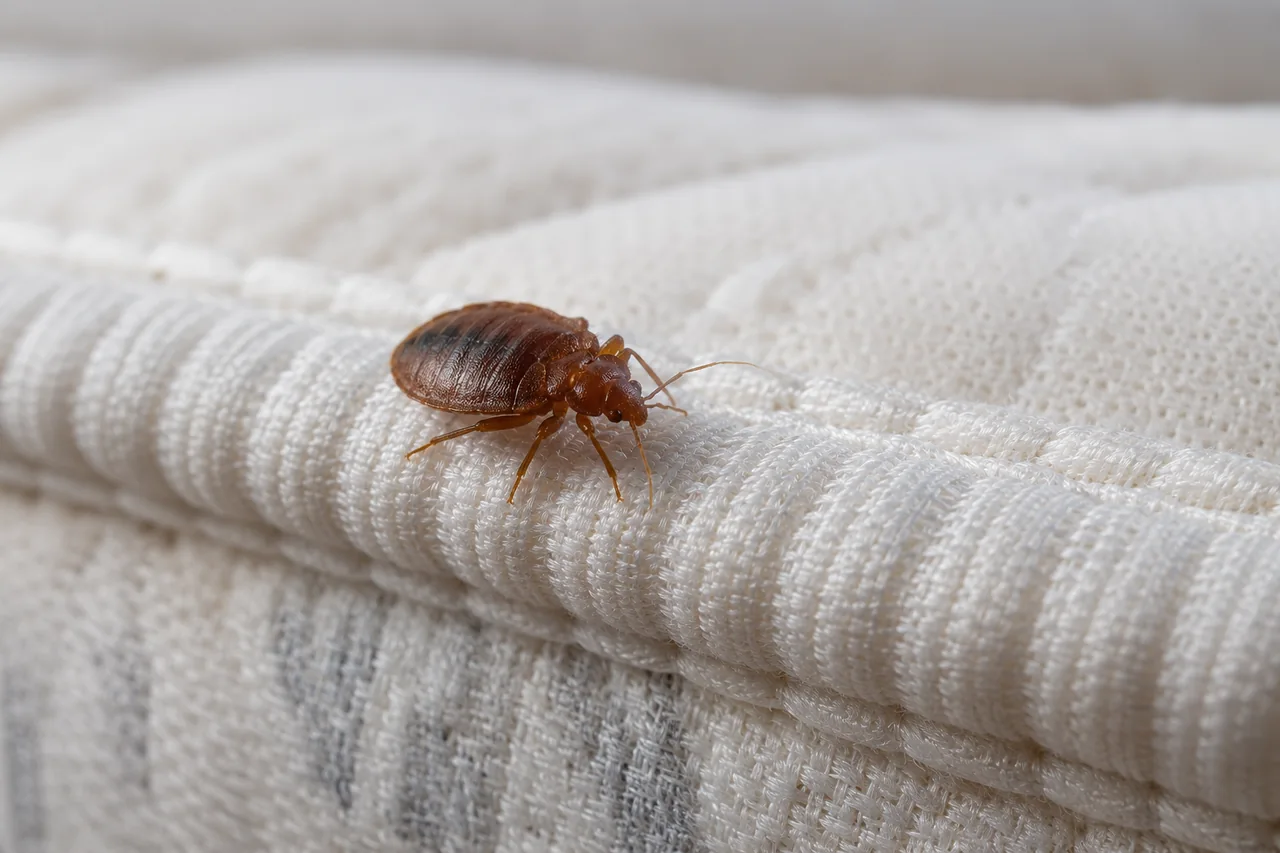
Inspect mattress seams, bed frames and nearby furniture. Explain recent travel or moved belongings so preparation and treatment focus on the areas where evidence is found.
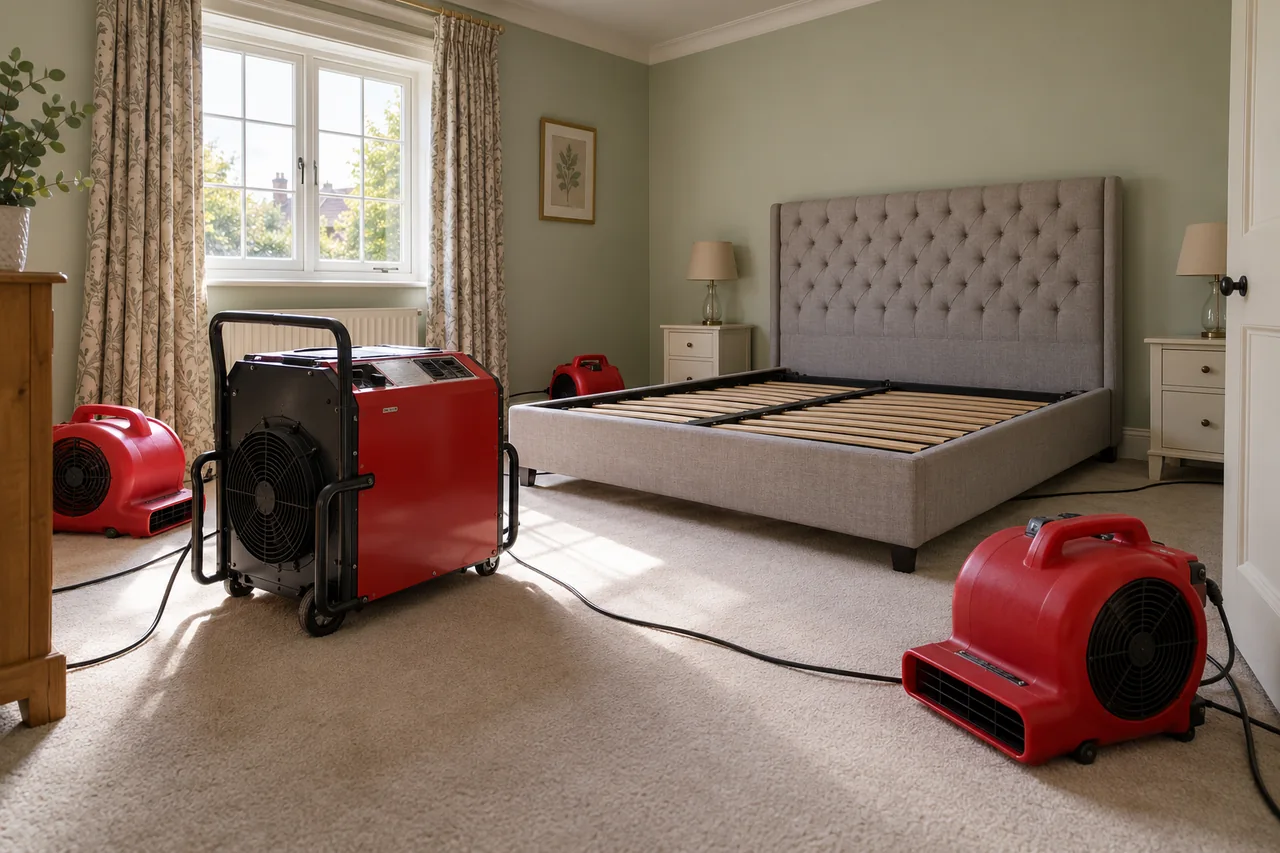
Heat treatment needs a suitability assessment. Room contents, heat-sensitive belongings, equipment access and the ability to reach required conditions all affect the proposed approach.
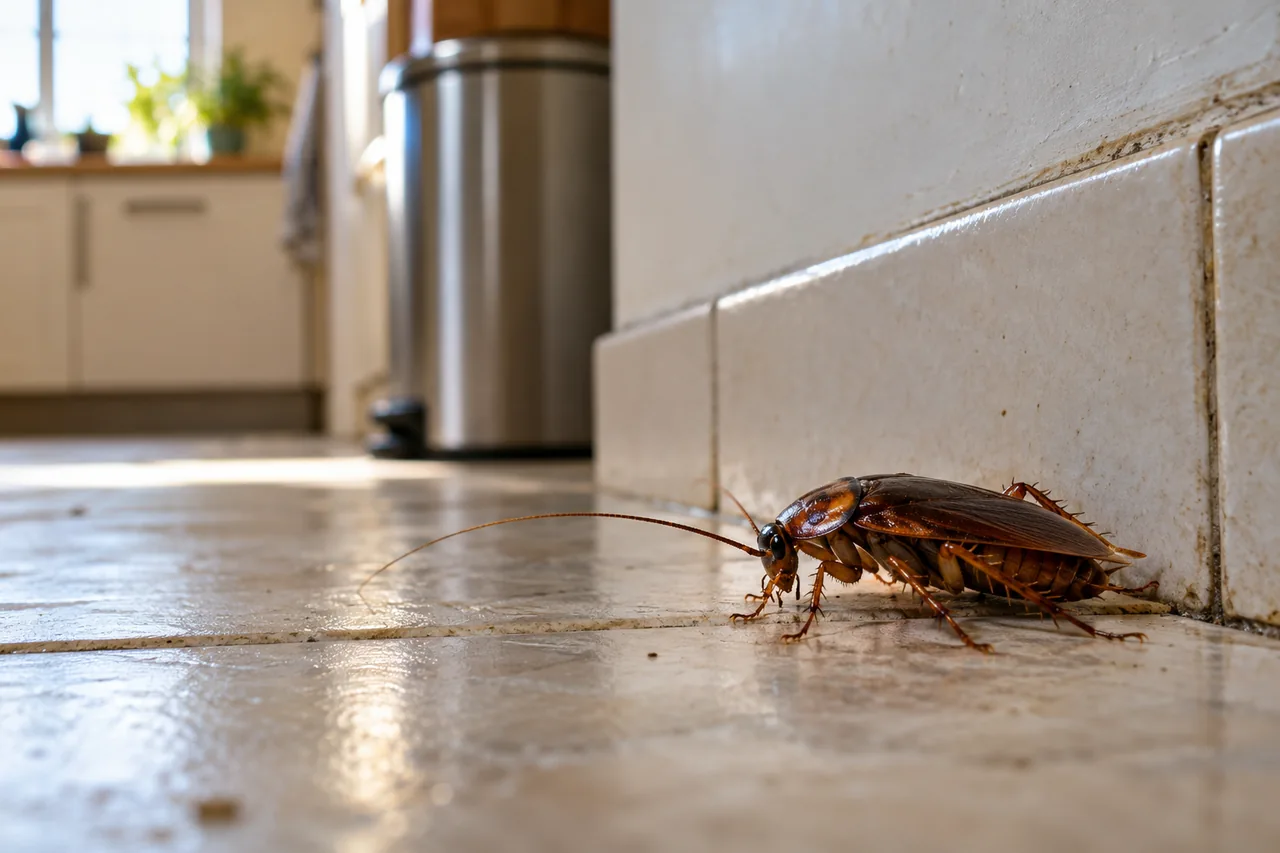
Identify the species and likely harbourage areas. Food residues, warmth and moisture matter, alongside access behind appliances and the possibility of activity in adjoining spaces.
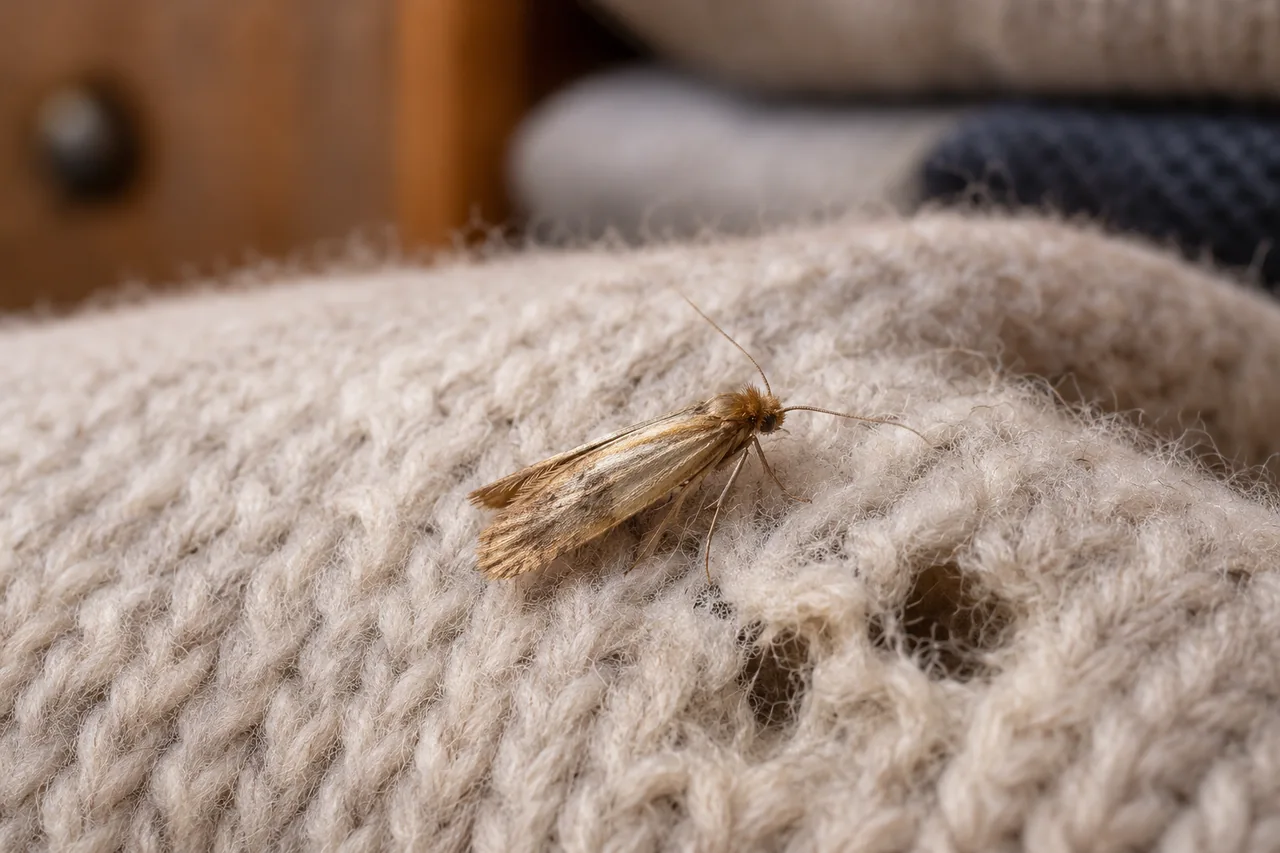
Damage to vulnerable fabrics needs identification of the insect and affected materials. Inspect stored textiles and hidden edges, then discuss handling, cleaning and targeted treatment.
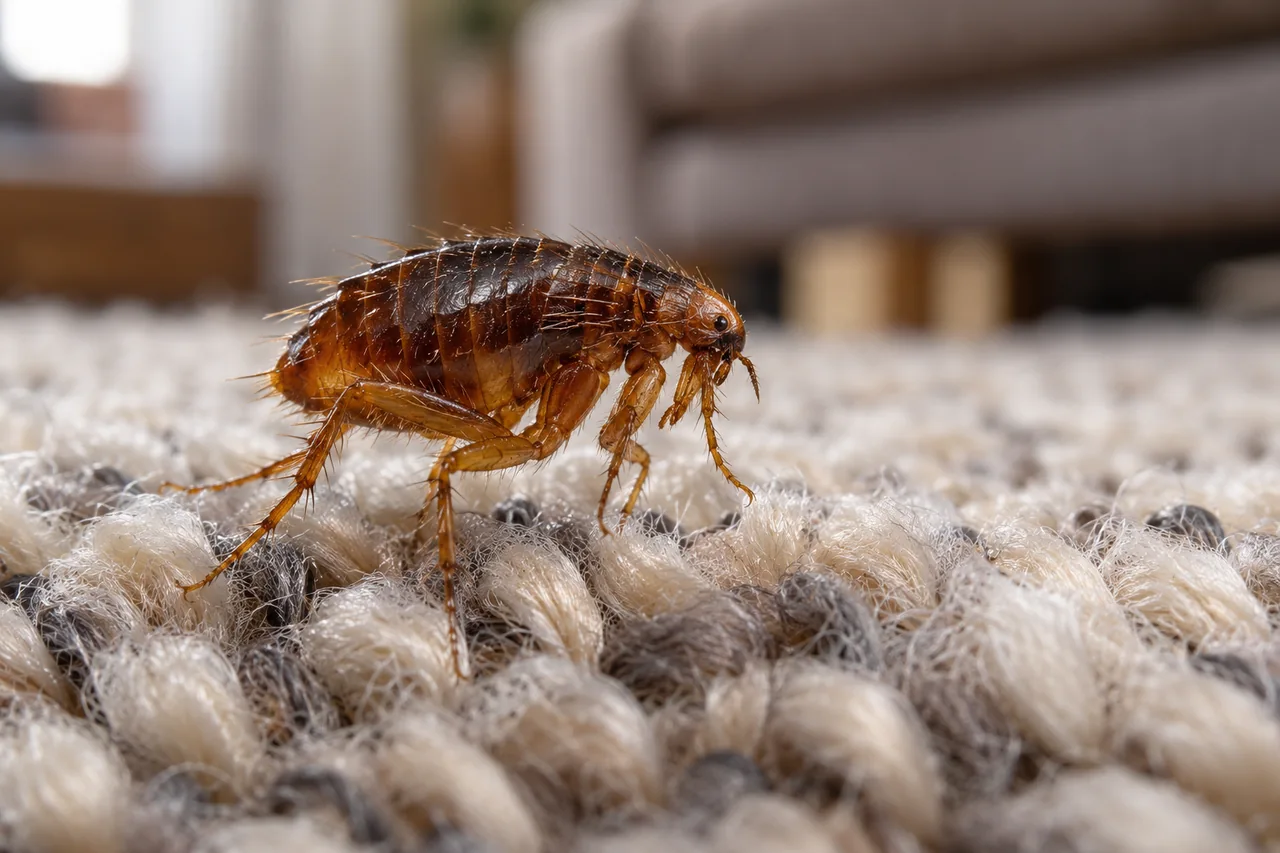
Activity around soft furnishings should be assessed alongside household pets and affected rooms. Any veterinary care for animals must be discussed with a qualified veterinary professional.
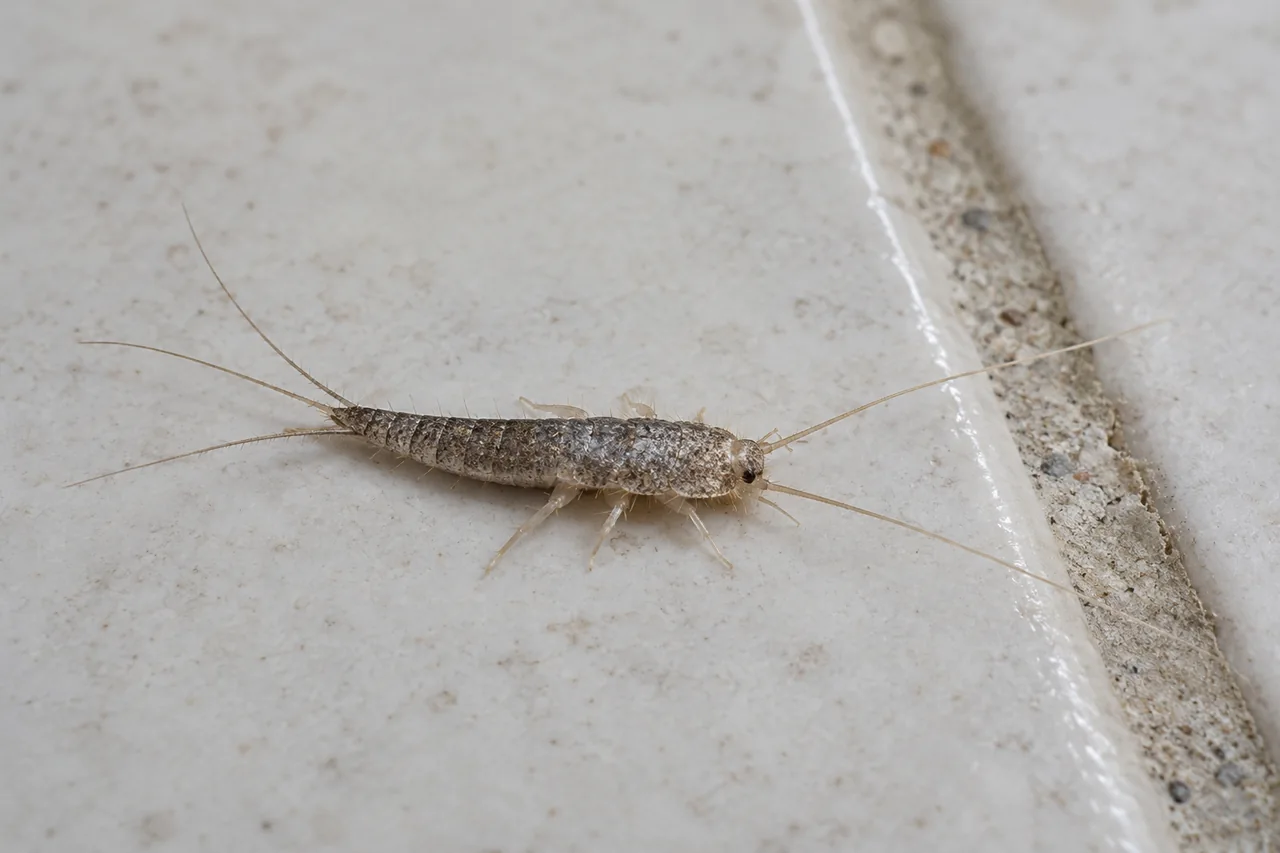
Look for activity around bathrooms, cupboards and concealed gaps. Moisture and ventilation may need attention as part of a plan suited to the evidence and building.
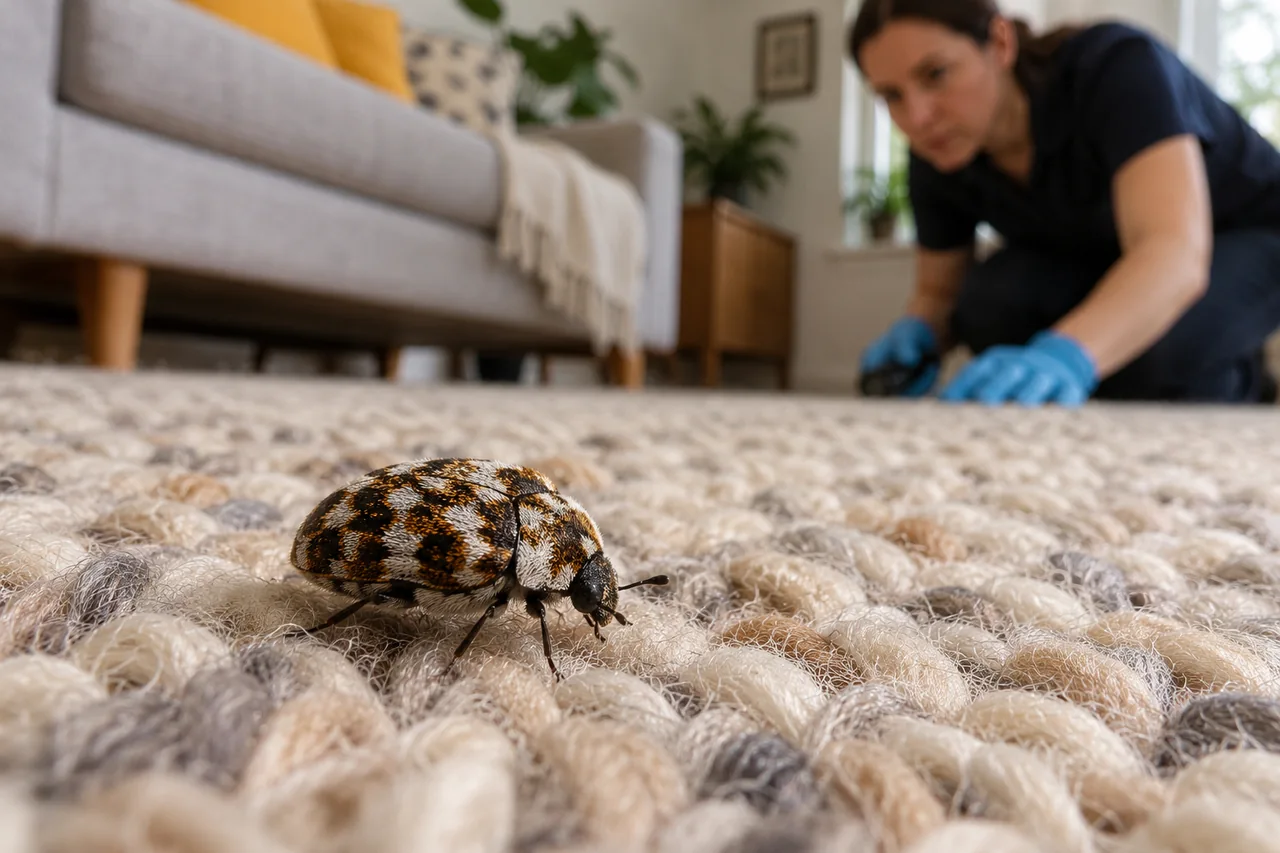
Inspect carpet edges, natural fibres and stored fabrics for larvae or damage. Identify affected materials before deciding what can be cleaned, protected or treated.
03 / WHAT HAPPENS DURING AN INSPECTION
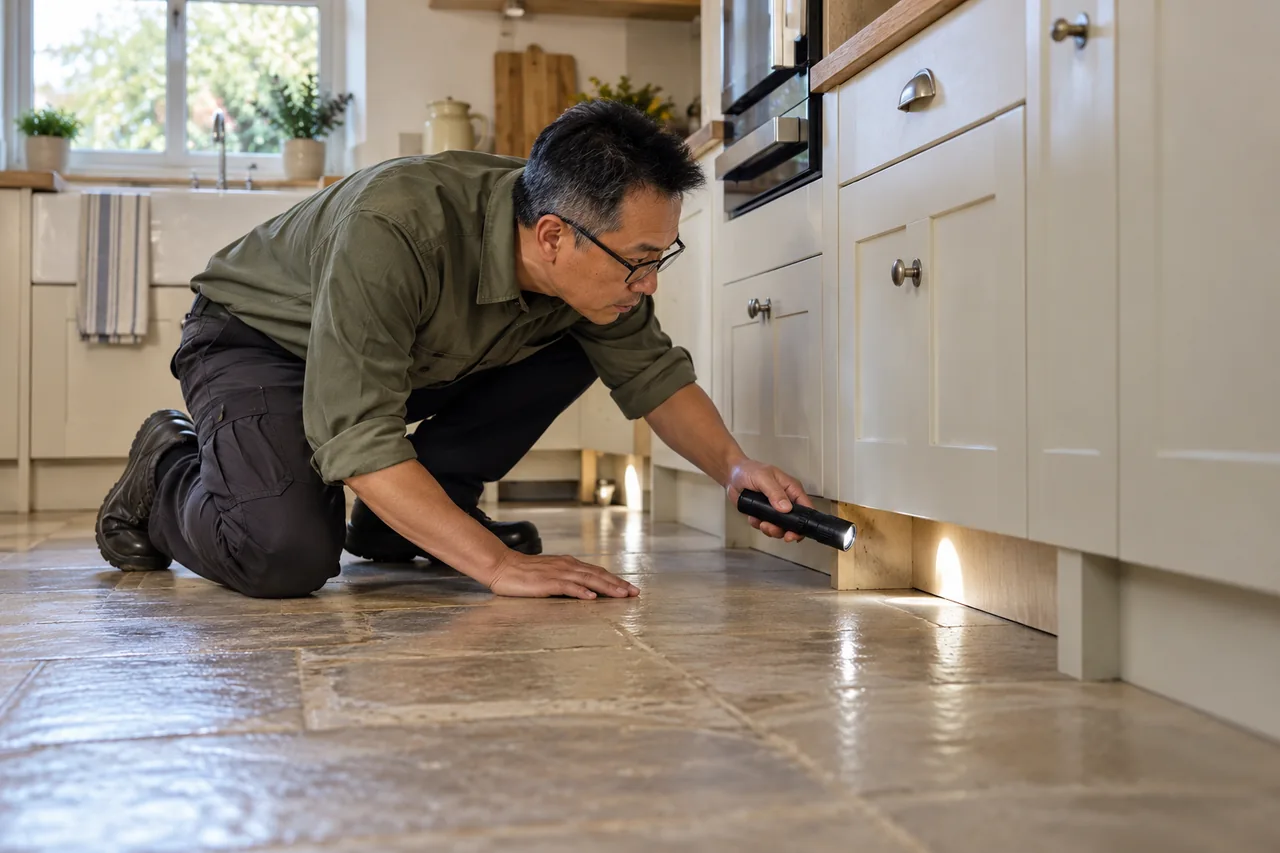
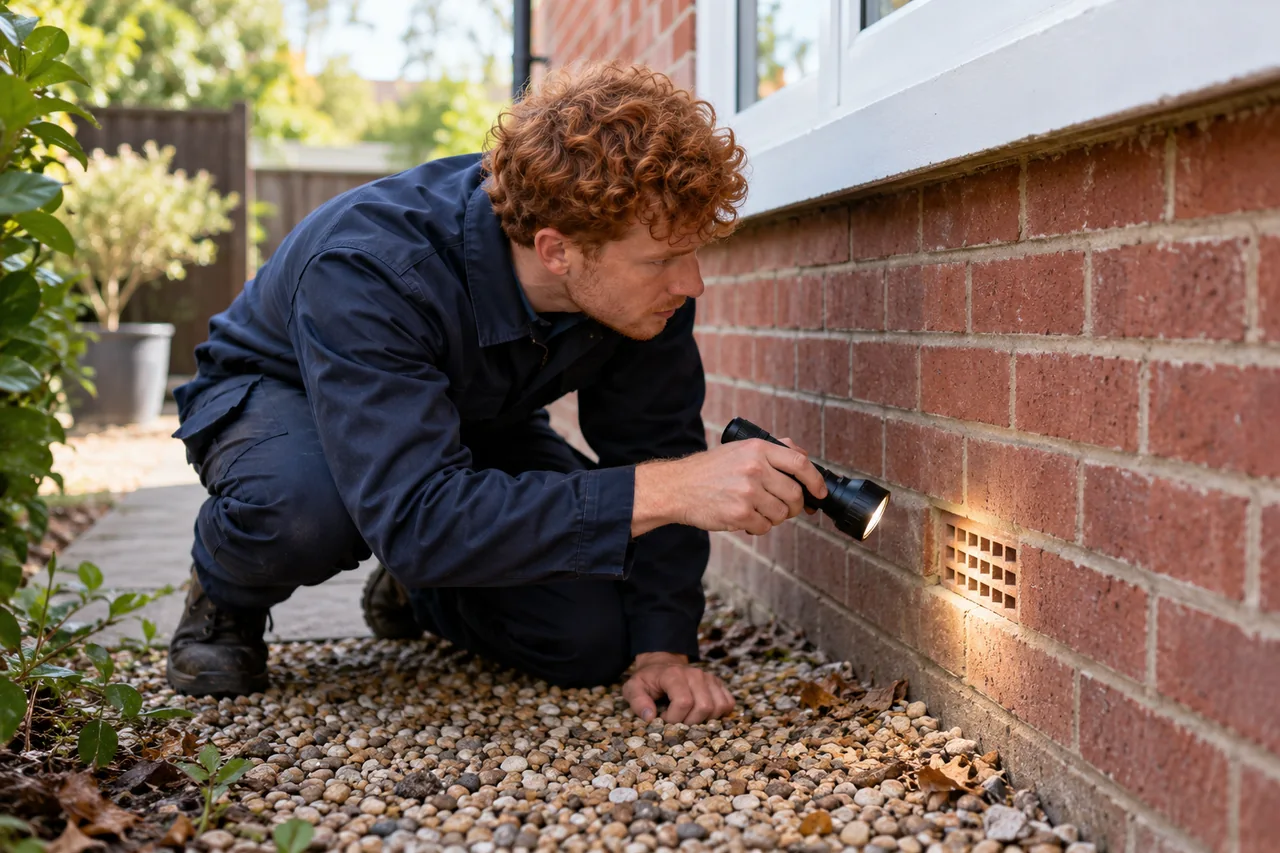
Begin by telling the specialist what has changed: the first signs, affected rooms and any recent building work, deliveries or moved belongings. Explain access restrictions and household needs. The inspection then considers visible evidence and the routes linking it, including accessible cupboard bases, pipe penetrations, storage areas or roof details.
Ask what was found and what remains uncertain. Monitoring may be useful before choosing a treatment.
| Stage | What to establish |
|---|---|
| Identify | Species and current signs |
| Assess | Affected areas and access limits |
| Plan | Method, preparation and agreed price |
| Explain | Precautions, monitoring and next steps |
04 / CHOOSING A TREATMENT
Professional pest control in Uxbridge should connect identification, the extent of activity and how the property is used. Physical exclusion, monitoring, changes to storage and targeted treatment may work together. The table outlines considerations, rather than prescribing a method for every property. Ask where work will take place, what preparation is needed and how progress will be assessed.
| Pest problem | Inspection focus | Treatment considerations | Follow-up |
|---|---|---|---|
| Mice or rats | Activity, access routes and food sources | Monitoring, targeted control and appropriately timed proofing | Review evidence and priority repairs |
| Bed bugs | Beds, nearby furniture and movement of belongings | Targeted methods or heat where suitable; preparation and heat-sensitive contents | Assess ongoing signs and agreed monitoring |
| Cockroaches | Species, harbourage and adjoining areas | Targeted treatment alongside hygiene and moisture management | Check activity and inaccessible sources |
| Moths or carpet beetles | Larvae, vulnerable fibres and storage | Handling and cleaning affected materials; treatment where indicated | Inspect stored items and watch for fresh damage |
| Fleas or silverfish | Affected areas and relevant environmental conditions | A pest-specific plan; address animal hosts or damp conditions as appropriate | Review activity and supporting conditions |
If work goes ahead, follow the instructions for keeping areas clear. Before the visit ends, confirm what has been done, what to expect next and when to get back in touch.
QUOTATIONS
Describe the pest signs, affected rooms and access when requesting a quotation. Confirm the total price, applicable taxes, the number and purpose of visits, and whether monitoring or proofing is included. Heat treatment and commercial work need an assessment of their own requirements.
Ask about preparation, payment and cancellation terms before agreeing to a visit. Call to discuss a quotation for your property.
05 / WHEN THE PROBLEM CANNOT WAIT
Seek a prompt assessment when pest activity affects a room you need to use, food preparation or your ability to remain comfortably in the property. Explain what is happening now, the rooms involved and whether children, pets or vulnerable occupants may be affected.
Call with the signs, the address and access details. Discuss current appointment availability and what the proposed visit includes. An urgent enquiry does not confirm a same-day appointment or a particular arrival time. While waiting for advice, protect exposed food, keep people away from affected areas and avoid mixing products, disturbing concealed spaces or moving potentially infested belongings.
06 / PREPARING YOUR PROPERTY
| Area | Arrange in advance |
|---|---|
| Access | Keys, clear routes and permissions |
| Food | Instructions for storage and protection |
| Belongings | Method-specific handling advice |
| Household | Discuss children, pets and re-entry |
Clear safe access, but wait for instructions before moving furniture or emptying cupboards. Ask what needs protecting and mention locked rooms or inaccessible areas.
Ask before moving bedding or clothing. Follow the agreed handling instructions. For heat treatment, discuss sensitive contents. Explain any products already used.
Precautions depend on the method; there is no universal re-entry time. Follow the ventilation, cleaning and access instructions, and share them with other occupants.
07 / AFTER TREATMENT
Keep the treatment notes and follow the directions for cleaning and re-entering affected areas. Do not move secured boxes or monitoring equipment, or add another product over a treated surface. Record fresh signs with their location and timing. Some methods work over time; ask which changes are expected and what should trigger another call.
| Next step | What to do |
|---|---|
| Follow instructions | Observe cleaning and access restrictions |
| Monitor | Record fresh signs and timing |
| Review | Confirm follow-up purpose and cost |
| Prevent | Address food sources, damp and suitable repairs |
Ask about the timing of repairs before closing an active entry route.
08 / UXBRIDGE COVERAGE
Give the full address and confirm availability. The map shows Uxbridge for orientation, without an office pin or a promise of coverage for every address.
| Property | Access detail to discuss |
|---|---|
| House | Parking and roof or garden access |
| Flat | Entry codes and shared spaces |
| Business | Operating hours and restricted areas |
Load the interactive OpenStreetMap view to explore Uxbridge. Loading the map connects to OpenStreetMap.
09 / FREQUENTLY ASKED QUESTIONS
Yes. Describe where you have noticed activity, when it started and any visible damage. Identification should follow the evidence; a noise, mark or bite alone may not establish the cause.
Photograph visible insects, damaged packaging or marks from a safe distance. Include a wider view showing the location. Do not handle droppings, dismantle fittings or disturb concealed areas to obtain a photograph.
Not necessarily. The affected areas, pest and method determine the scope. Ask which rooms need access and why. Moving belongings between rooms before receiving advice can make some problems harder to contain.
Explain the property and reported signs when you call. Before authorising work, confirm the proposed inspection or treatment, the price, any preparation requirements and whether a follow-up visit is included.
That depends on the work proposed and where it takes place. Mention children, pets and relevant household needs before booking. Follow the specific instructions for access, ventilation, cleaning and returning to treated areas.
Suitability depends on the room, contents, access and evidence. Discuss heat-sensitive belongings and preparation first. Ask how the treatment will be assessed and what monitoring or follow-up may still be recommended.
Record the location and timing, then contact the provider using the agreed aftercare instructions. Some methods take time. Do not move monitoring equipment or add another product while waiting for advice.
Discuss who can authorise work and provide access. Shared roof spaces, communal areas or neighbouring activity may need coordination with a landlord or managing agent. Explain access restrictions before arranging the visit.
ABOUT OUR APPROACH
When comparing pest controllers in Uxbridge, ask how the findings will be explained, how the treatment is chosen and what aftercare you will receive. This approach puts the property and the evidence first. It helps you understand the proposed work, make preparations and know which signs to watch afterwards, without relying on a guess or an unexplained treatment.
CONTACT US
Describe the signs and the property, discuss an inspection and confirm the next step before arranging a visit.