
UXBRIDGE / MOTH CONTROL
Moth Control Uxbridge
Start with the damaged material and the insect behind it. A textile-focused inspection can connect larvae, storage conditions and hidden feeding areas before a treatment is chosen.
- Inspect wool garments and natural-fibre carpet edges
- Look for larvae, webbing and portable cases
- Distinguish clothes moth evidence from beetle damage
- Agree fabric-safe handling before moving storage
- Review protected textiles for fresh feeding signs
URGENT ENQUIRY
Fresh damage to stored textiles?
Describe the affected fabrics, visible insects and where the damage is spreading. Discuss an inspection before moving garments into unaffected storage.
01 / TEXTILE DAMAGE
Begin with the fabric that is changing.
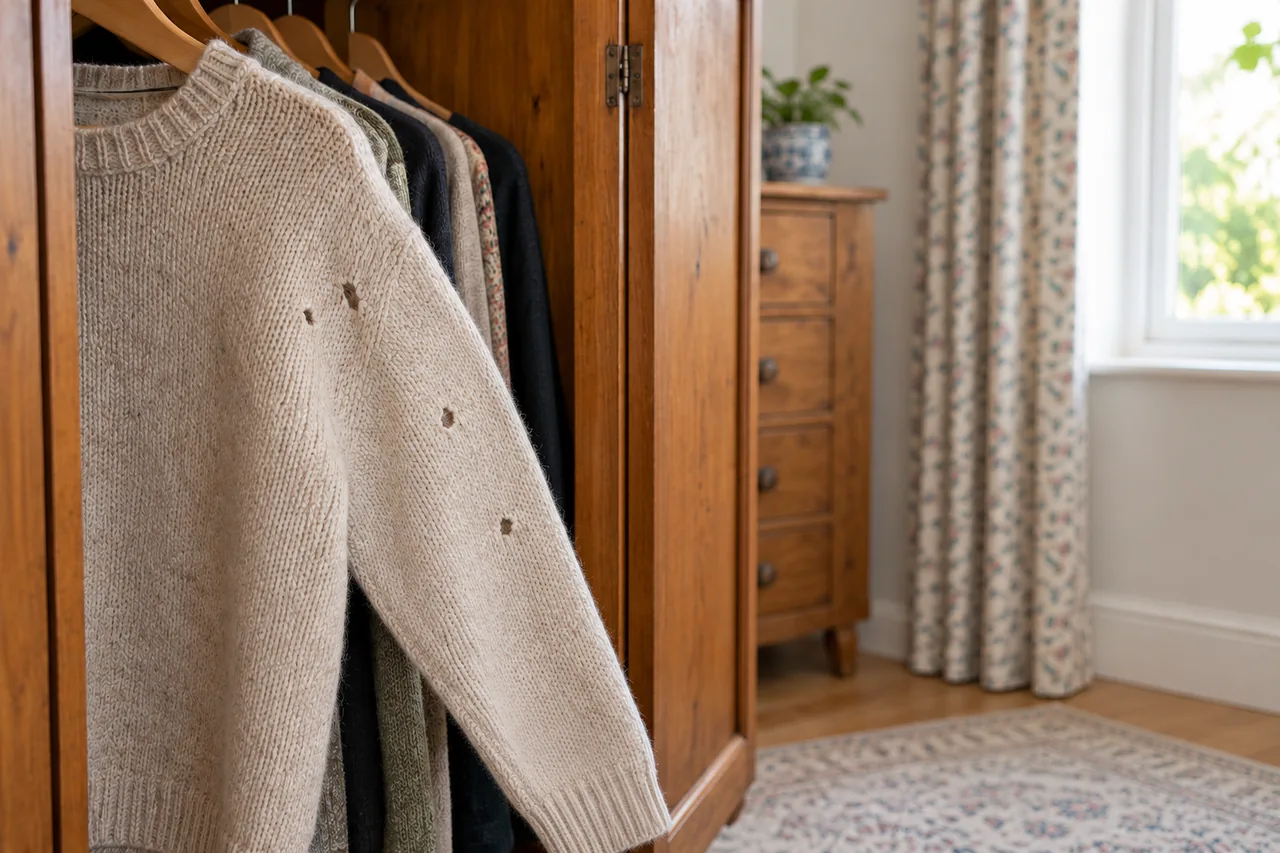
Tell the specialist which materials are affected: a wool coat, a rug edge, stored blankets or another natural-fibre item. Describe where the damage is appearing and whether it seems recent or was only discovered when storage was opened. A hole alone does not identify an insect. The inspection should connect the material, the location and any larvae or adult insects found nearby, rather than assume every damaged garment needs the same treatment.
Explain whether the item has been moved, cleaned or stored somewhere else since the signs were noticed. Its earlier location may matter more than the room where it now sits. Keep a photograph of the damage and the affected storage area if practical. Avoid unpacking every cupboard into an unaffected bedroom before receiving advice. Retaining the relationship between fabrics and their original storage helps the specialist assess which areas need checking and how extensive the problem may be.
02 / LARVAE IDENTIFICATION
The moth you see is only part of the assessment.
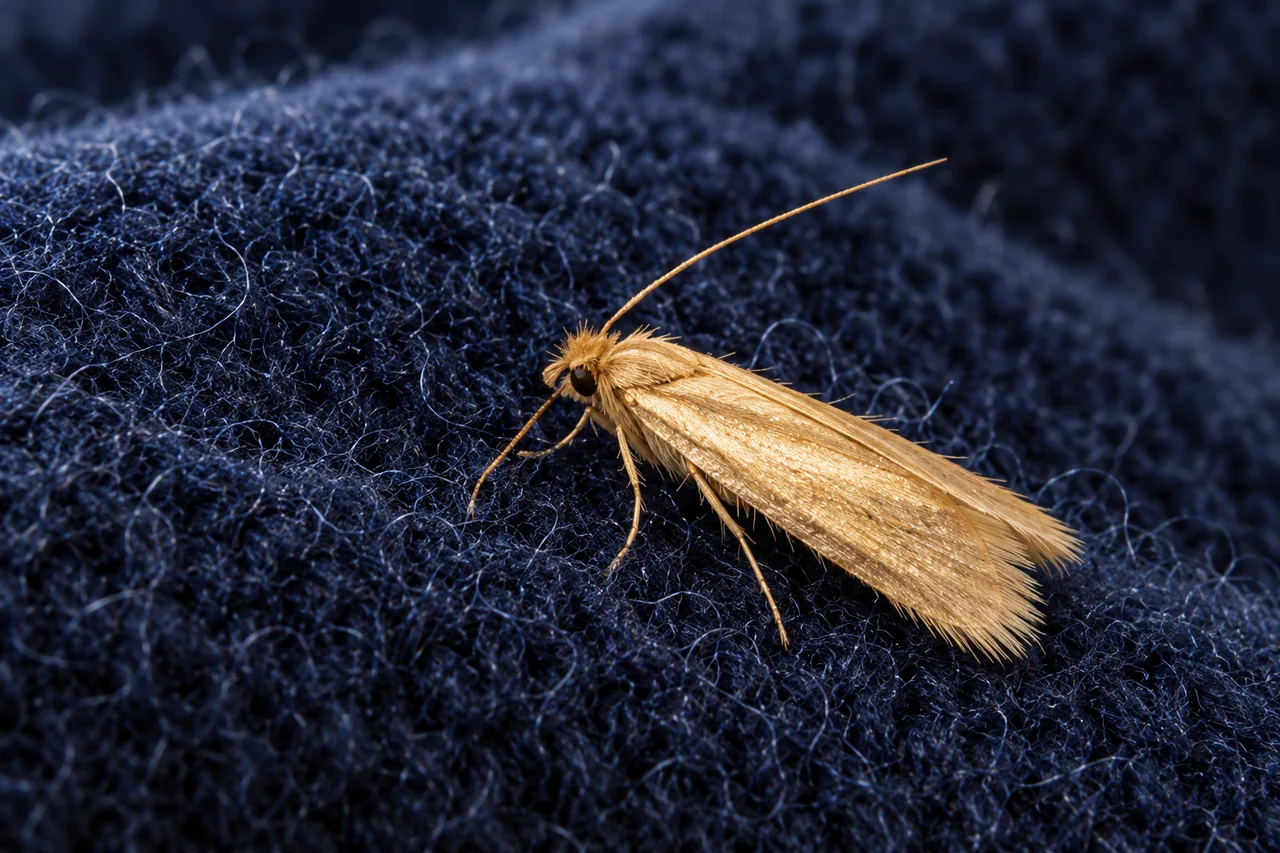
Clothes moth larvae, rather than feeding adults, are associated with damage to vulnerable fibres. Webbing or a small case can be relevant evidence, depending on the species, but identification still needs a suitable examination. A moth flying into a lit room from outdoors is not automatically a textile pest. Tell the specialist where adults are seen and whether larvae or damage occur in the same place. A clear distinction can prevent unnecessary treatment of unrelated rooms.
Small beetle larvae and cast skins can also be found around textiles. Where those are suspected, carpet beetle treatment follows a different identification and source assessment. Keep any accessible insect evidence contained only as advised, without handling unknown materials unnecessarily. Ask which finding supports the diagnosis and whether a stored-food issue or another insect needs separate consideration. The visible winged insect should not be treated as proof that every wool item in the property is affected.
| Finding | Inspection focus | Decision needed |
|---|---|---|
| Holes in wool | Affected item and original storage | Whether damage is linked to insects |
| Larva or webbing | Seams, folds and nearby edges | Species and feeding location |
| Adult moth only | Where it appears and related evidence | Whether textile treatment is justified |
| Bristly cast skins | Alternative textile-pest identification | Whether a beetle assessment is needed |
03 / WARDROBE INSPECTION
Check the quiet edges as well as the visible garment.
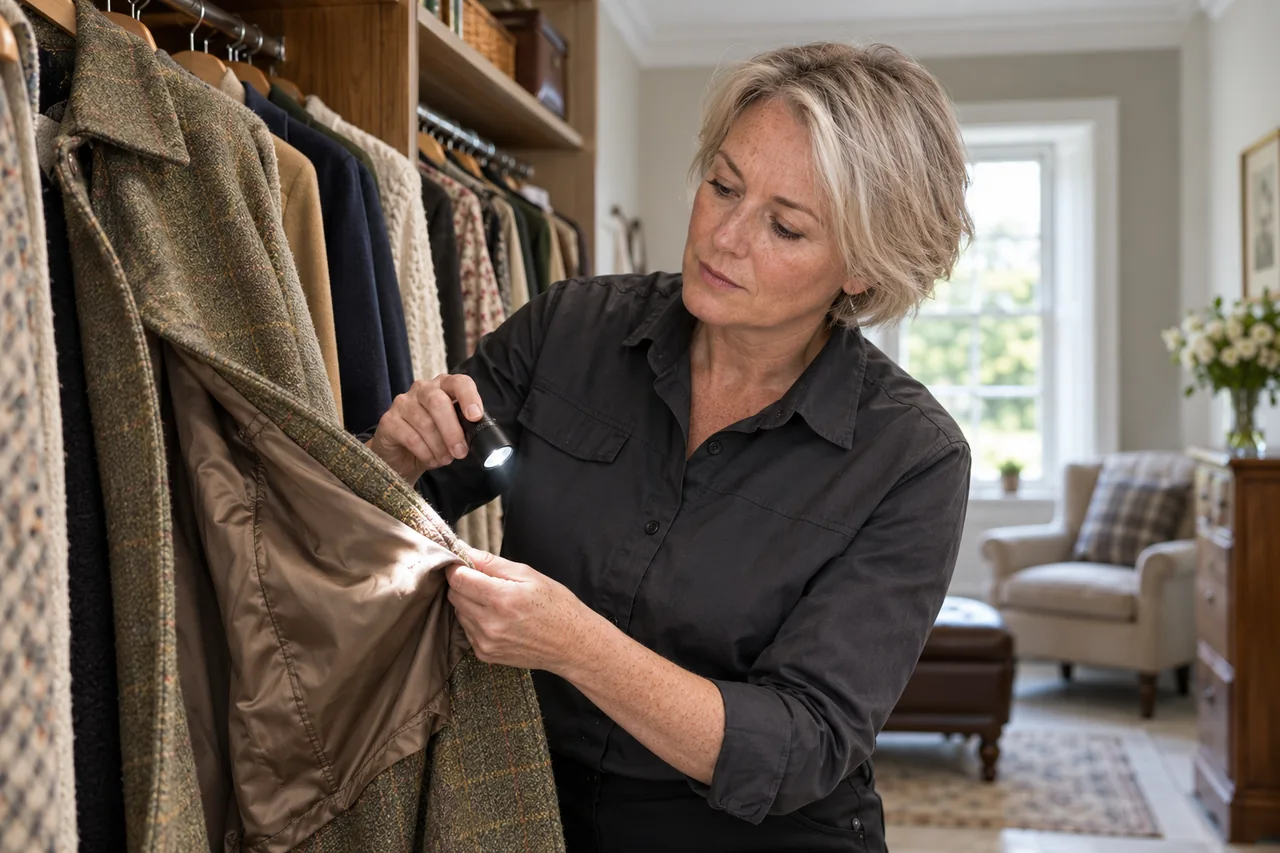
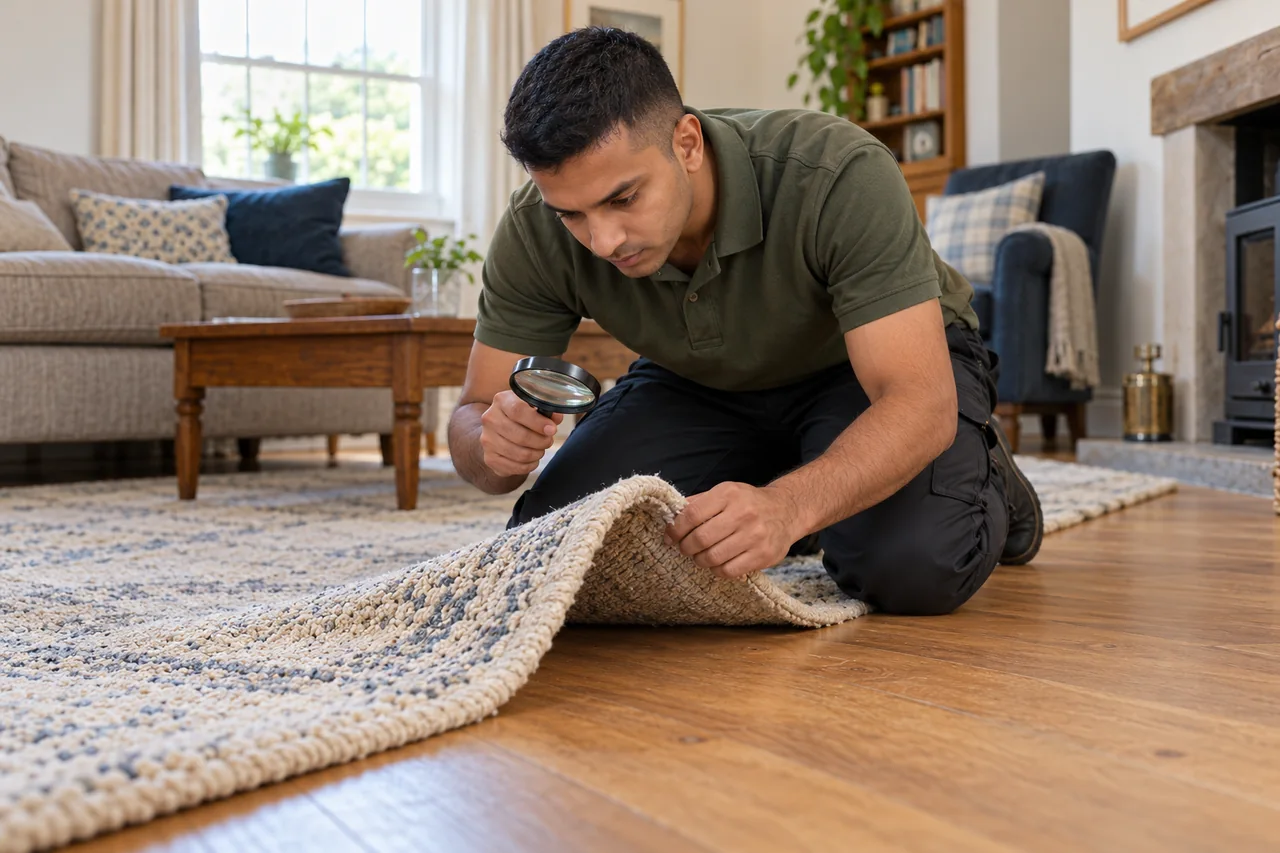
An inspection may consider garment folds, wardrobe corners, carpet margins and accessible areas beneath or behind furniture. Stored fabrics, rugs and soft furnishings should be discussed in relation to the evidence, not automatically treated as one undifferentiated collection. A torch or hand lens may help examine small signs. Explain valuable textiles, fixed furniture and anything that cannot safely be lifted. The inspection should record limits rather than imply every carpet or cupboard has been fully exposed.
The surrounding material can also matter. Fluff, hair or another overlooked natural-fibre source may be present away from the first damaged item. Ask how the specialist will decide which places to examine and whether the findings suggest a wider source. In a furnished rental, clarify which items belong to the landlord and who can authorise cleaning, removal or access beneath them. This avoids starting preparation only to discover that important furniture or stored belongings cannot be moved as expected.
04 / HANDLING FABRICS
Prepare textiles according to their material and condition.
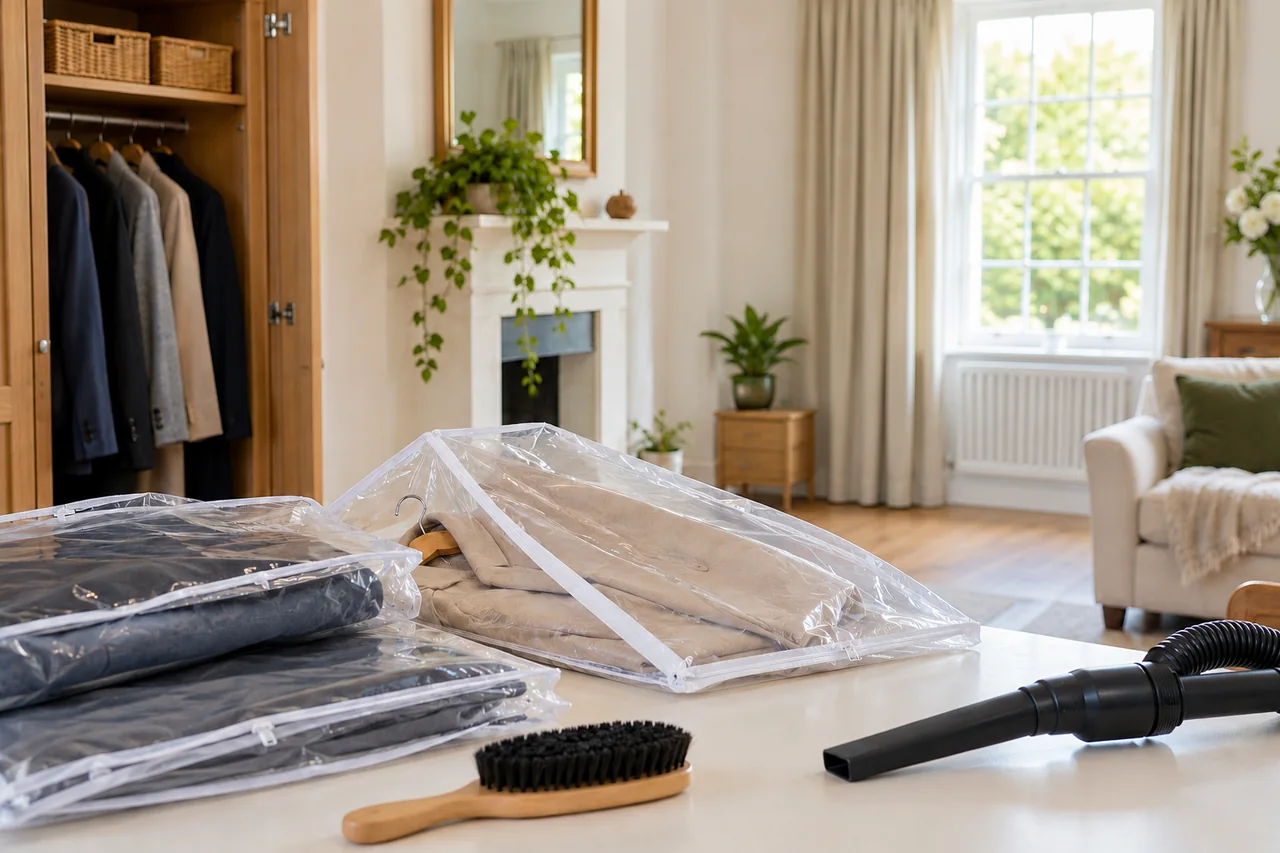
Ask for instructions before carrying affected clothing through other storage areas. Bagging and cleaning arrangements should suit the fabric and the findings. Care labels, finishes and the condition of older items matter; one hot wash or another blanket procedure is not suitable for every textile. Tell the specialist about delicate garments, antiques or items needing a textile-cleaning professional. Preparation should not damage a possession in an attempt to make it easier to inspect.
Keep affected and already cleaned items distinguishable, using the handling plan agreed for the visit. Explain what has been cleaned and where it has been stored afterwards. Clearing access around a carpet edge may be useful, but avoid lifting fitted carpets or moving heavy furniture without discussion. Where an item cannot be prepared as requested, say so before the appointment. The method or scope may need to change rather than proceed as if all preparation had been completed.
| Item or area | Check before handling |
|---|---|
| Garments | Care requirements and contained movement |
| Rugs | Safe access to edges and underside |
| Delicate textiles | Whether specialist cleaning advice is needed |
| Cleaned items | Where they can be stored without mixing |
05 / MOTH TREATMENT OPTIONS
Treat the feeding problem, with clear limits.
A proposal may combine handling and cleaning of affected materials with targeted treatment of suitable harbourage, depending on the species and evidence. The actual method needs confirmation for your property. A treatment for a cupboard gap is not automatically suitable for a garment, and a product should not be applied to valuable fabric merely because insects were found nearby. Ask what will be treated directly, what needs separate handling and which areas remain outside the proposal.
Where monitoring is considered, ask which moth it is intended to detect and how results will be interpreted. A monitoring trap is not, by itself, a complete plan for larvae feeding inside stored textiles. Preparation, accessible sources and follow-up observations still matter. The specialist should explain why the proposed actions fit the affected materials, rather than promise that one device or application will protect every item in the home indefinitely. Any equipment shown here is illustrative; its use must be agreed from the findings.
06 / VISIT AND AFTERCARE
Keep the treatment record linked to each storage area.
During the visit, identify which items have already been cleaned, which remain in their original place and where signs were most recently found. Confirm the proposed work and its cost before authorising treatment. Follow the instructions about access to work areas and protecting nearby possessions. If a product is used, the directions for cleaning and returning items depend on the method and surfaces. Ask for practical notes that distinguish the wardrobe, carpet edge and other affected locations.
Afterwards, watch for fresh feeding evidence rather than assume every old hole is new damage. Photographs and a simple record of cleaned or inspected items can help. Do not wash treatment points, move monitoring devices or apply another product without checking the aftercare instructions. If a return visit is proposed, clarify whether it reviews adult monitoring, larval signs or a source that was initially inaccessible. Those are different questions and should not be reduced to an unexplained repeat application.
07 / STORAGE PREVENTION
Make future checks specific to the vulnerable materials.
Once the relevant cleaning and handling restrictions are lifted, review how susceptible textiles are stored and which quiet areas accumulate debris. Closed storage can be useful only when the condition of the items placed inside is understood; sealing an affected garment away without addressing it does not resolve the source. Ask which routine inspections are appropriate for your fabrics and which changes follow from the actual findings. This should be a practical maintenance plan, not a promise of permanent protection.
If fresh signs appear, note the storage location, item and timing, including whether cleaned and unprepared textiles were mixed. The overview of inspection and aftercare explains how observations are used in an inspection-led plan. Retain the earlier records so a new enquiry can distinguish damage found late from damage developing after work. Where valuable items are involved, discuss handling before deciding to discard or repeatedly treat them, particularly if the insect identification is still uncertain.
08 / MOTH QUOTATION
Quote for the affected materials and the access required.
Moth-control pricing can depend on the type and extent of textile damage, affected storage, access behind furniture, proposed treatment and any review. Specialist cleaning or handling of delicate items may be separate from pest treatment. Ask what the quotation includes and which possessions or areas are excluded. No confirmed moth-treatment tariff is published here; an assessment is needed before assigning a price to a wardrobe, carpeted room or collection of stored garments.
Where fresh damage is spreading through important textiles, describe the affected materials when checking appointment availability. Avoid moving everything into an unaffected cupboard while waiting for the visit. Use Contact Us to explain the evidence, preparation limits and the proposed inspection, then confirm the method, follow-up arrangements and complete price before work is agreed.
QUESTIONS ABOUT MOTH CONTROL
Before arranging the visit.
Does every moth indoors damage clothing?
No. Some moths arrive from outdoors or relate to other materials. A textile assessment should connect the insect with larvae, feeding signs and affected fabric before recommending work on garments or carpets.
Are adult clothes moths responsible for the holes?
The damaging stage is the larva. Adult sightings can help locate activity, but the inspection needs to consider feeding areas, webbing or other evidence around vulnerable textiles rather than focus only on flying insects.
Can all affected fabrics go through the same hot wash?
No universal cleaning instruction suits every fabric. Follow care requirements and the preparation advice agreed for the findings. Delicate, valuable or older textiles may need a specialist-cleaning discussion before any handling method is chosen.
Will a moth trap solve a wardrobe infestation alone?
Do not assume that. Monitoring may help assess a particular moth, but larvae and affected materials still need consideration. Ask what the device measures and how it fits the wider preparation and treatment proposal.
Should I lift fitted carpets before the inspection?
Ask first. Accessible edges may be enough to begin the assessment, while lifting fitted materials or moving heavy furniture needs planning. Explain access limits before the appointment so the inspection scope is realistic.
How can I tell old holes from continuing moth damage?
Keep photographs and a record of inspected or cleaned items and their storage. Fresh evidence can then be discussed at review. Damage alone still needs interpretation alongside insect identification and the handling history.
DISCUSS MOTH CONTROL