
UXBRIDGE / SQUIRREL CONTROL
Squirrel Control Uxbridge
Roof-space noise needs identification before a gap is closed. Discuss the signs, safe inspection access and the lawful options for the animal actually using the building.
- Assess daytime roof-space movement and sightings
- Inspect accessible eaves and soffit entry details
- Check species before any wildlife control decision
- Plan around nesting evidence and non-target wildlife
- Coordinate proofing with the confirmed roof-space position
URGENT ENQUIRY
Roof-space activity needs attention?
Report the noise, visible entry point or animal in the building. Discuss safe access and an appropriate assessment before disturbing or closing the route.
01 / ROOF ENQUIRY
Describe the noise and the roof, together.
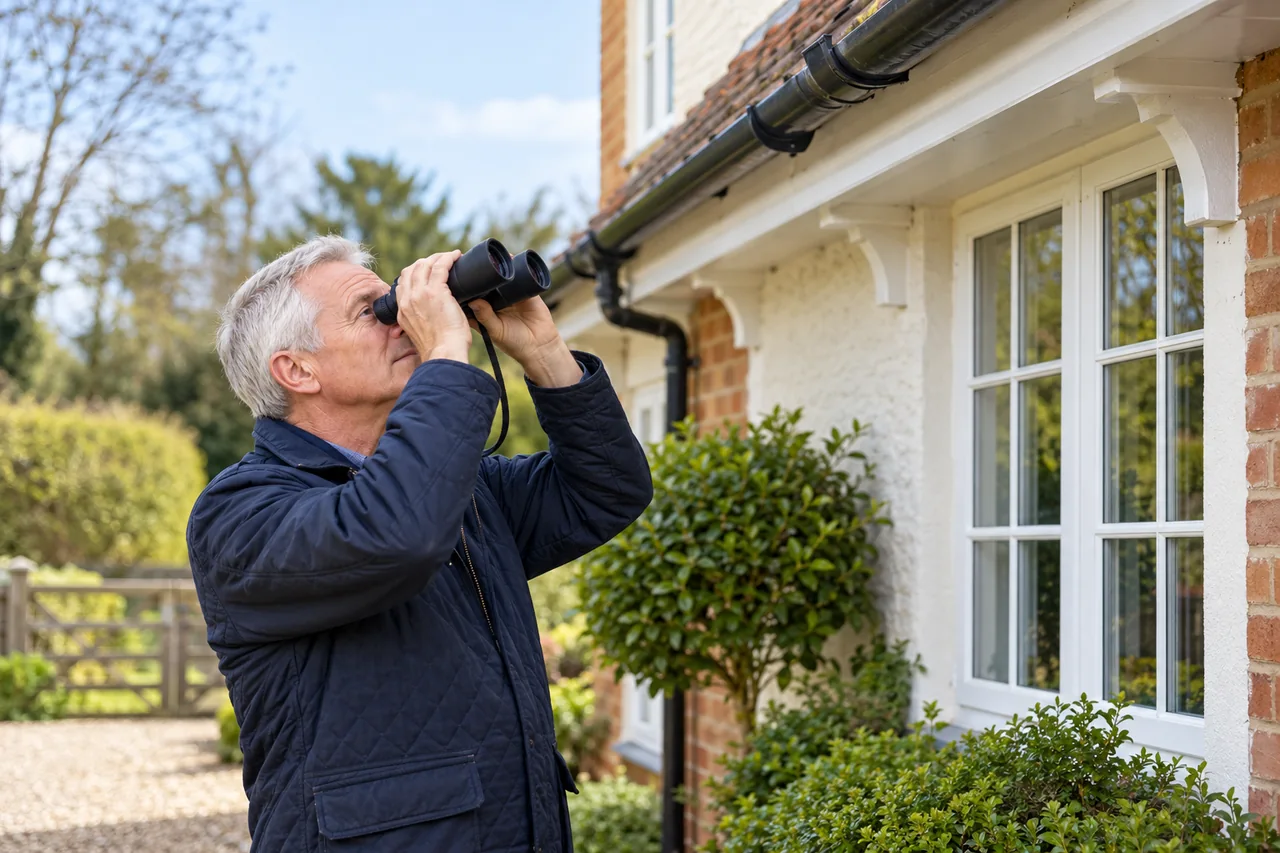
When arranging a squirrel enquiry, explain when the noise occurs, where it seems loudest and whether anyone has seen an animal entering the roof. A daytime sighting near an eave is useful information, but it does not prove every sound has the same cause. Describe nearby trees, damaged soffits and recent roofing work. Tell the person arranging access whether the loft is boarded, lit and reachable without an unsafe ladder or an unsupported step over insulation.
An inspection should be organised around safe viewing and the evidence available. Do not climb onto a roof or lean out of a window to photograph an opening. A ground-level photograph can still show the relevant elevation and surrounding branches. If sounds are mainly concealed and the animal has not been seen, explain that uncertainty. The specialist may need to distinguish squirrel activity from rat access or another cause before any control is agreed.
02 / ROOF ASSESSMENT
Establish where the roof can be checked safely.
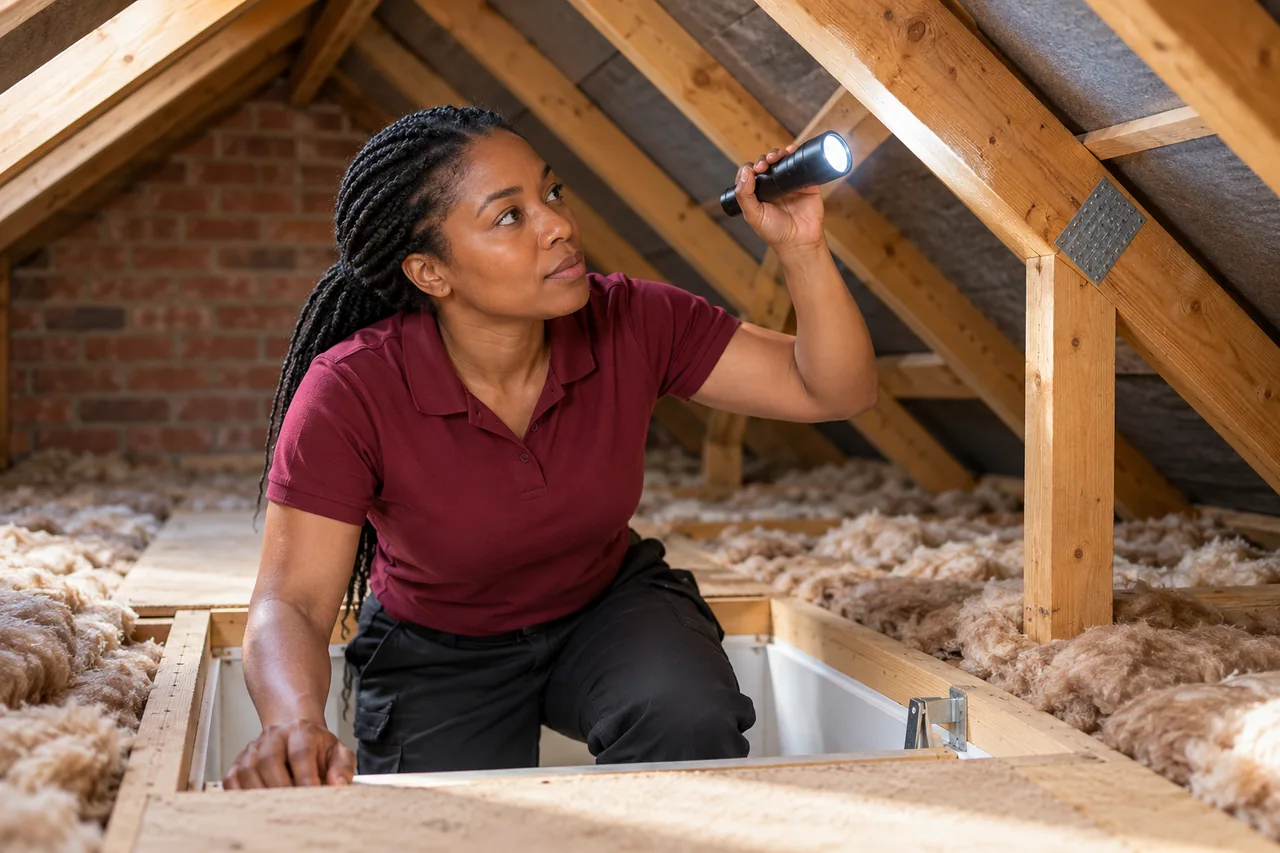
A roof-space assessment may consider accessible loft edges, timber details, disturbed materials and points where daylight enters. The outside elevation can also be viewed from a safe position. Access limitations should be recorded: an unboarded area, low headroom or a concealed roof section can prevent a complete view. Ask whether the appointment includes only accessible inspection or whether separate access equipment would need arranging. A pest visit is not automatically a roofing survey.
The specialist can connect internal signs with a possible opening, but should explain when that link remains uncertain. Nearby tree cover or an obvious defect may be relevant without proving it is the active route. Where roof repairs are needed, clarify who will carry them out and how their timing relates to the wildlife assessment. A roofer may need photographs or a clear description of the location rather than a general instruction to close every opening immediately.
03 / SPECIES
Identification comes before the control decision.
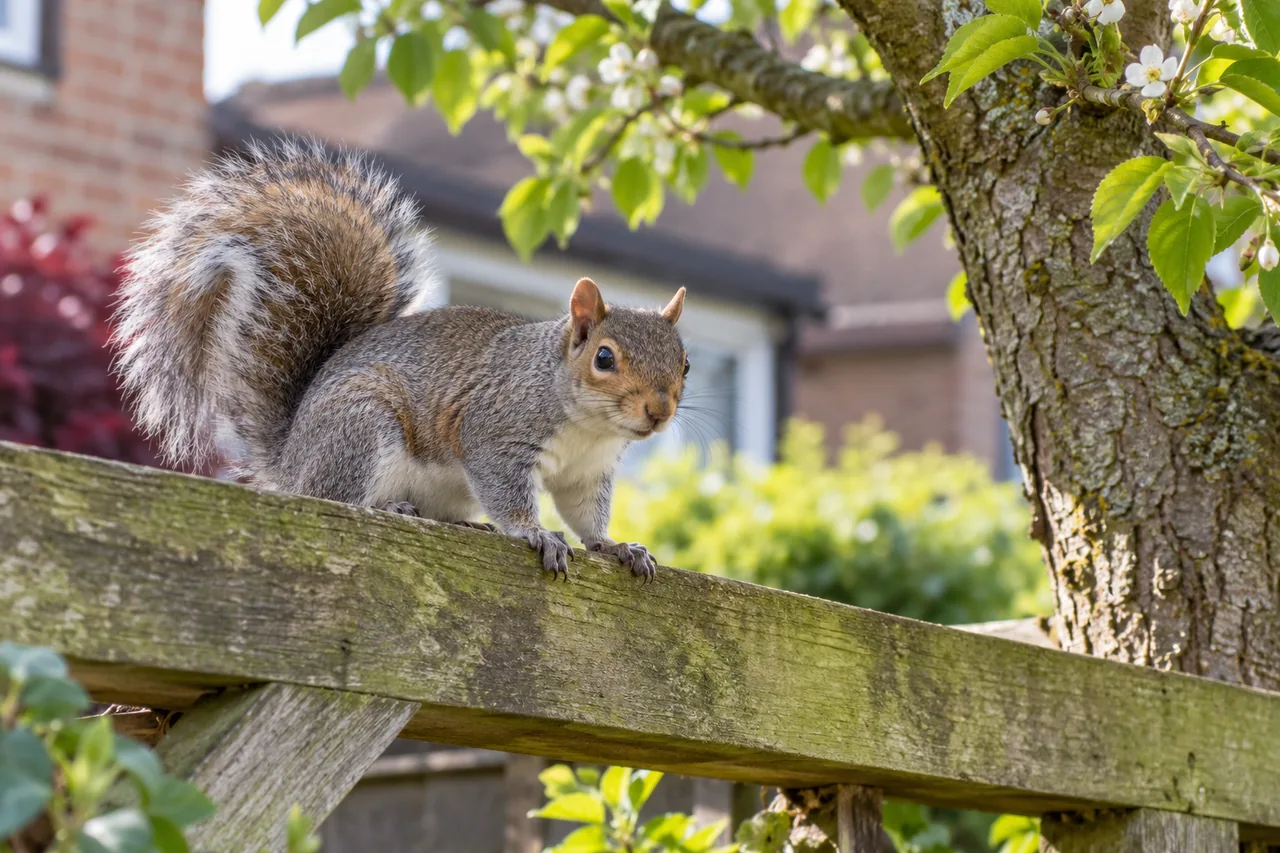
Squirrels have different legal status from some other animals that may use a building. A specialist should consider sightings and accessible evidence before deciding which species is involved. Droppings or noises alone may not be enough. Explain whether a squirrel was seen on the property or only in a neighbouring tree. A garden visitor is not necessarily living in your loft, and a roof-space sound cannot establish the number or age of animals inside.
If the evidence is inconclusive, monitoring or another suitable observation may be more useful than immediate intervention. A proposal should also consider non-target wildlife and whether nesting or dependent young could affect timing. Avoid disturbing nests or putting equipment into the opening yourself. Where the findings point to small rodents instead, mouse inspection and proofing involve a different assessment; the appearance of the building should not determine the pest diagnosis.
| Roof observation | Question to resolve | Planning consequence |
|---|---|---|
| Animal at an eave | Which species is using it? | Choose a lawful response |
| Noise without a sighting | What evidence supports the identification? | Consider further observation |
| Possible nesting | Are young or non-target animals involved? | Review timing and access |
| Damaged soffit | Is this the active opening? | Coordinate repair after assessment |
04 / LEGAL POSITION
Lawful action is part of the assessment.
In England, grey squirrels are listed invasive non-native animals. Capturing one does not create permission to relocate and release it elsewhere. Anyone proposing wildlife control needs to consider the species, lawful methods, animal welfare and the risk to other animals. Red squirrels have a different protected status. This is one reason a roof enquiry should not begin with a promise that an animal will simply be trapped and moved to another park.
The government rules for invasive non-native animals explain restrictions and relevant exceptions. Ask the specialist how those requirements affect the proposed work at your property. No particular trapping method is confirmed on this page. If an injured or restrained animal is present, describe the circumstances and seek appropriate professional guidance rather than attempting to keep or transport it as part of household preparation.
05 / POSSIBLE ACTIONS
Agree the action before arranging the repair.
Depending on what is established, the discussion may involve observation, a lawful control proposal or appropriately timed exclusion and repair. The choice must account for animals that could still be inside and access that cannot be checked. Ask what the intended action achieves and how the specialist will assess its outcome. Closing an active opening without understanding the roof-space position can create a further problem rather than complete the work.
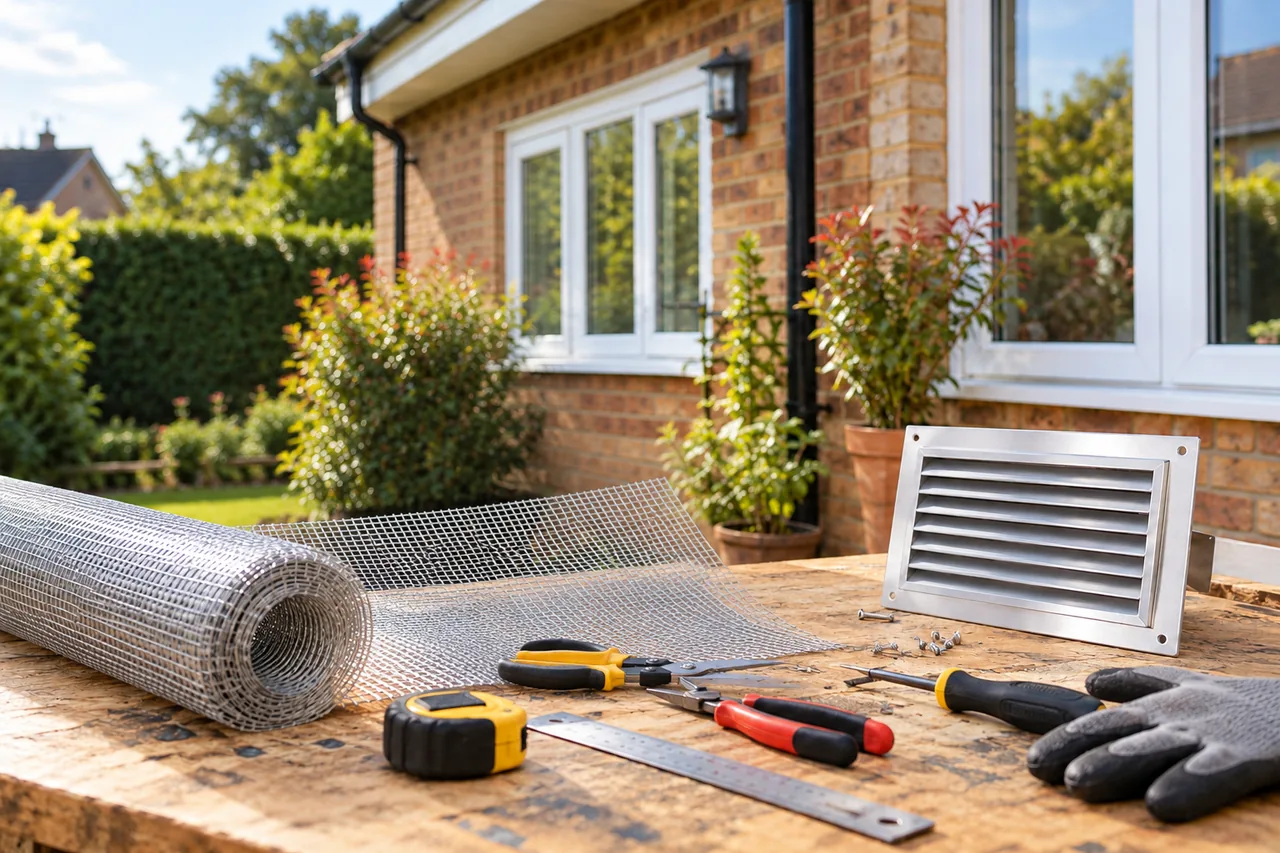
Proofing materials need to fit the opening and the building. A repair may involve a soffit, vent detail or another roof component, each with its own construction and ventilation requirements. Ask which work is included and which needs a roofer or builder. A photograph of mesh or tools illustrates possible materials, not a commitment to use them at every property. The quoted plan should identify the relevant opening and any limitations, rather than offer a generic promise to squirrel-proof the whole roof.
06 / VISIT ACCESS
Prepare access without disturbing the loft.
Clear a safe route to the loft hatch and explain how it is reached. Do not walk over unboarded areas, move suspected nesting material or handle damaged cables to make inspection easier. Tell the specialist about stored possessions around the hatch and any restrictions on access to the outside elevation. If a managing agent controls the roof space, arrange permission and keys in advance; one resident may not be able to authorise work in a communal roof.
Keep pets away from the hatch and any affected outside area while access is being assessed. Share earlier roof reports or photographs if they help locate a defect, but distinguish what a contractor confirmed from what you suspect. During the visit, ask which areas were actually examined and what could not be reached. These limits matter when deciding whether an apparent opening can be repaired confidently or whether another form of access is required first.
07 / COMPLETION REVIEW
Check the roof-space position before closing the plan.
The review should relate to the work agreed: evidence of continued use, the status of a suspected opening or whether a repair can proceed. Record fresh sightings and the time and location of noises. Avoid deciding solely from one quiet night or one garden squirrel seen after work. The specialist should explain how the observations fit the earlier assessment and whether the same roof route is still implicated.
Ask who confirms completion, whether a return assessment is included and how any equipment is removed. If another contractor is repairing the roof, make sure the instructions and timing are clear to both parties. Once the agreed repair is complete, retain photographs and check for later deterioration from a safe viewing position. If activity returns, explain which elevation was repaired and what new signs appeared rather than treating every future roof noise as the same unresolved squirrel problem.
08 / ROOF PREVENTION
Keep repairs visible and maintenance practical.
Prevention may involve repairing a confirmed opening and reviewing access from nearby structures or vegetation. The appropriate work depends on the building and any wildlife considerations; do not cut large branches or alter roof components simply on the basis of a telephone description. Ask which maintenance priorities arise from the inspection. A pest specialist can identify a concern without every necessary repair being within the scope of that visit.
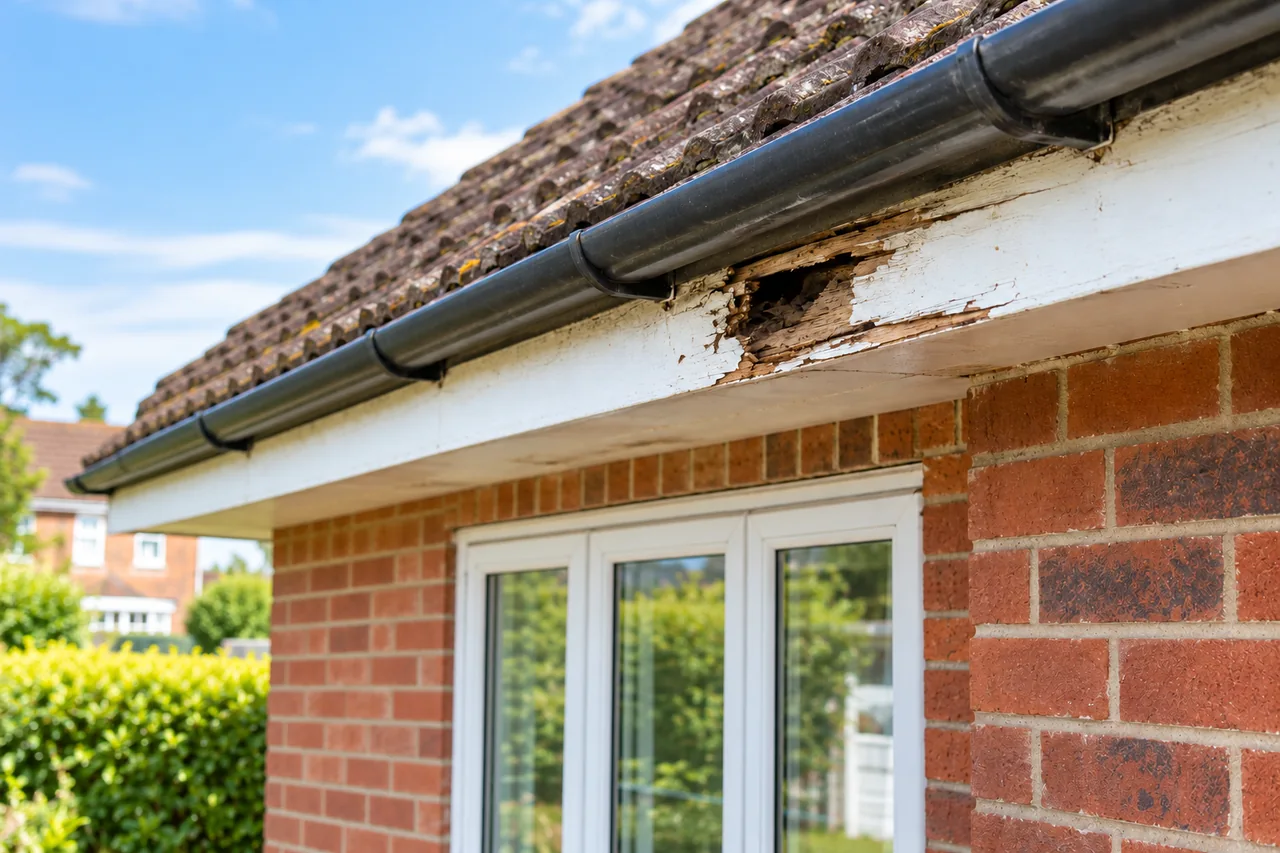
For an explanation of how evidence, treatment decisions and aftercare connect, read the Uxbridge pest control overview. In a rented property, give the landlord the location of the defect, access limitations and proposed next steps. Clear information supports a targeted repair. Repeatedly filling the visible edge of a damaged soffit without assessing the wider component may leave an opening that remains accessible or fails again soon afterwards.
09 / SQUIRREL QUOTATION
Quote for the roof and the access involved.
Squirrel-control pricing can depend on safe loft access, the evidence found, the lawful action proposed, review visits and any agreed proofing. Work at height, specialist access equipment and roofing repairs may be separate. Ask what the inspection includes and how additional access or repair work would be authorised. Ask whether the quotation includes checking the repaired entry point and how work by a roofing contractor would be coordinated.
If activity has exposed a suspected building defect or an animal is present in an occupied room, explain that clearly when asking about an assessment. An urgent enquiry does not confirm an immediate arrival. Keep people and pets away from the affected area and avoid disturbing the animal. Use Contact Us to discuss the property, the signs and the access needed before any appointment is agreed.
| Site factor | Scope to agree |
|---|---|
| Loft access | Accessible areas and any specialist access |
| Wildlife findings | Lawful action and review arrangements |
| Roof repairs | Included proofing versus another contractor |
QUESTIONS ABOUT SQUIRREL CONTROL
Before arranging the visit.
Can a grey squirrel be caught and released in a park?
Do not assume relocation is lawful. Grey squirrels are subject to invasive-species restrictions in England. The proposed response must account for those rules, animal welfare and the actual circumstances, rather than promise capture and release elsewhere.
Should I seal the soffit hole before the inspection?
Discuss it first. The opening may be active, and animals could remain inside. Species, nesting evidence, access and the timing of repairs should be assessed before closing a suspected roof-space route.
Is a squirrel in my garden proof of a loft problem?
No. A squirrel may visit the garden without entering the building. Report sightings at the roof and the pattern of noises separately so the inspection can assess whether they are connected.
Does the appointment include working on the roof?
Ask specifically. An accessible loft inspection or ground-level assessment does not automatically include work at height. Roofing repairs and specialist access may require another contractor and a separate agreement.
Can I move nesting material out of the way?
Do not disturb suspected nests to prepare for access. Explain their location and any visible animals during the enquiry. The specialist needs to consider species, dependent young and other wildlife before deciding what action is appropriate.
What information helps with a shared loft?
Provide the managing agent’s access arrangements, the affected part of the building and any related roof reports. Confirm who can authorise inspection and repairs; access to one flat may not include permission for the shared roof space.
DISCUSS SQUIRREL CONTROL